













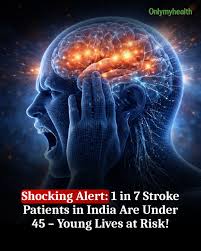
A recent study by the Indian Council of Medical Research (ICMR) has revealed a concerning shift in India’s health landscape, showing that stroke is increasingly affecting younger people. According to the findings, one in every seven stroke patients in the country falls within the 18–44 age group, challenging the long-held belief that strokes primarily occur in older adults.
The analysis is based on data from more than 34,000 stroke cases collected across multiple hospitals as part of a national registry programme. It highlights a growing burden of stroke among individuals in their working years, pointing to a major public health concern. Experts say this trend reflects changing lifestyles and increasing exposure to risk factors at a younger age.
Stroke is already one of the leading causes of death in India, ranking as the fourth most common. What makes the situation more alarming is that many patients do not receive timely medical care. Nearly 40% of stroke patients reach hospitals more than 24 hours after symptoms begin, significantly reducing the chances of effective treatment and recovery.
The study also underscores gaps in awareness and healthcare access. Early treatment is critical in stroke cases, especially within the “golden hour,” but delays in recognizing symptoms or seeking care often lead to severe consequences. Limited access to advanced treatment facilities and inadequate follow-up care further worsen outcomes for patients.
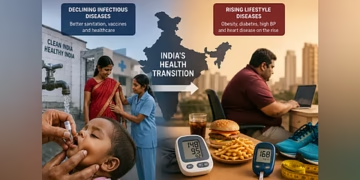
Health experts attribute the rising incidence of stroke among younger Indians to a combination of lifestyle and medical factors. Conditions such as high blood pressure, diabetes, and tobacco use are major contributors. In addition, stress, sedentary habits, poor diet, and irregular sleep patterns are increasingly affecting younger populations, putting them at higher risk.
Another significant finding is that stroke in India tends to occur at a younger age compared to many Western countries. While globally fewer than 10% of stroke cases occur in people under 45, India’s proportion is notably higher, reflecting a unique and worrying trend.
The long-term impact of stroke is also severe. Many patients either lose their lives or suffer from lasting disabilities, affecting not just individuals but also families and the broader economy. This makes prevention and early intervention critical priorities for public health systems.
Experts stress the need for increased awareness about stroke symptoms, such as sudden weakness, difficulty speaking, or loss of balance, so that immediate medical help can be sought. They also emphasize preventive measures, including regular health check-ups, managing blood pressure and sugar levels, avoiding tobacco, and maintaining a healthy lifestyle.
Overall, the study highlights an urgent need to rethink how stroke is perceived and managed in India. With younger populations increasingly at risk, public health efforts must focus not only on treatment but also on prevention, education, and timely care to reduce the growing burden of the disease.