
















A recent medical case from Delhi has highlighted a lesser-known danger of extreme summer heat: drinking excessive water without replenishing essential salts can lead to serious health complications. The incident involved a 25-year-old marketing executive who was admitted to the ICU despite consuming nearly five litres of water during a single day.
The young professional spent most of his day travelling across the city on a motorcycle, exposed to intense heat while attending multiple client meetings. In an effort to stay hydrated, he frequently refilled his bottle and drank large amounts of water. However, he skipped meals throughout the day and did not consume any electrolyte-rich fluids, fruits, or oral rehydration solutions.
By evening, he began experiencing symptoms such as dizziness and nausea, which he initially dismissed as fatigue. As his condition worsened, he developed confusion, drowsiness, and difficulty speaking. Alarmed by his deteriorating state, colleagues rushed him to the hospital.
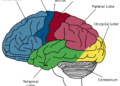
Medical tests revealed that his sodium levels had dropped significantly to 124 mEq/L, well below the normal range of 135–145 mEq/L. This condition, known as hyponatremia, occurs when excessive water intake dilutes sodium levels in the bloodstream. Sodium is a vital electrolyte that helps regulate nerve and muscle function, and its imbalance can lead to severe complications, including brain swelling and neurological issues.
Doctors explained that while staying hydrated is crucial during extreme heat, relying solely on plain water can be dangerous, especially when the body is losing salts through sweat. The absence of food and electrolytes in this case worsened the imbalance, ultimately leading to a medical emergency.
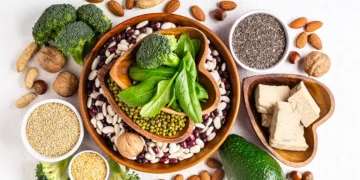
Health experts emphasize that hydration should involve a balance of fluids and electrolytes. During high temperatures, the body loses not just water but also essential minerals like sodium, potassium, and chloride. Replenishing these through a proper diet, fruits, coconut water, or oral rehydration solutions is important to maintain bodily functions.
The case also challenges the common belief that drinking more water is always better. Experts warn that overhydration can be just as harmful as dehydration. Consuming excessive amounts of water in a short time or without adequate nutrient intake can overload the body’s regulatory systems and lead to dangerous outcomes.
With temperatures in Delhi frequently crossing 40°C, doctors are urging people to take a more balanced approach to staying safe in the heat. This includes avoiding prolonged exposure to the sun, eating regular meals, and incorporating electrolyte-rich fluids into daily intake.
Ultimately, the incident serves as a reminder that hydration is not just about quantity but also quality. Proper nutrition, timely fluid intake, and awareness of early warning signs such as dizziness or confusion are essential to prevent heat-related illnesses. As heatwaves intensify, understanding these risks becomes increasingly important for maintaining health and safety during the summer months.