




















Doctors are increasingly emphasizing a simple but critical guideline known as the “two-week symptom rule”—a practical way to detect serious illnesses like cancer early and avoid dangerous delays in diagnosis.
According to health experts, most common illnesses such as viral infections, mild digestive issues, or temporary fatigue typically resolve within a few days to two weeks. However, if a symptom persists beyond 14 days, keeps recurring, or only improves temporarily with medication, it may signal an underlying condition that needs medical attention.
The key idea behind this rule is not to create panic, but to encourage awareness and timely action. Doctors stress that many people ignore early warning signs, assuming they are minor or temporary. This delay can be risky, especially in conditions like cancer, where early detection significantly improves treatment outcomes.
One of the biggest challenges with cancer is that it often develops silently. Symptoms may be mild, painless, or easily mistaken for routine health issues. This is why the two-week rule acts as a checkpoint—if something doesn’t go away within that timeframe, it deserves further investigation.
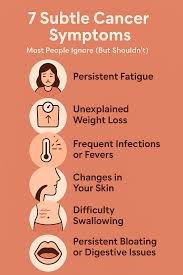
Experts highlight several symptoms that should never be ignored if they persist beyond two weeks. These include:
- Ongoing or unexplained pain
- Persistent cough or hoarseness
- Difficulty swallowing
- Unexplained weight loss
- Changes in bowel habits such as prolonged constipation or diarrhoea
- Blood in stool or urine
- Recurrent vomiting or acidity
Such symptoms do not necessarily mean cancer, but they could indicate a serious underlying problem. Medical professionals emphasize that persistence—not severity—is the real warning sign. Even mild discomfort can point to a deeper issue if it continues for an extended period.
Another important point doctors make is that medications can sometimes mask symptoms without treating the root cause. For example, painkillers or antacids may provide temporary relief, leading patients to believe the problem has resolved. However, if symptoms return after stopping medication, it is a clear signal that further evaluation is needed.
The two-week rule helps strike a balance between overreacting and ignoring health issues. Not every symptom requires immediate alarm, but neither should persistent signs be dismissed. By setting a clear time frame, this approach encourages people to monitor their health more carefully and seek timely medical advice when needed.
Doctors also stress that early consultation often leads to simpler and more effective treatment. Detecting diseases at an early stage can reduce complications, lower treatment costs, and significantly improve survival rates—especially in cancers.
In essence, the two-week symptom rule is a straightforward yet powerful guideline: if something feels off and doesn’t improve within two weeks, don’t ignore it—get it checked. It serves as a reminder that paying attention to your body and acting early can make a life-saving difference.