

















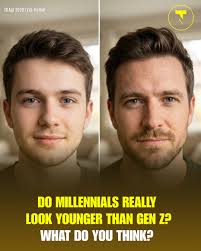
A growing debate around generational health has gained attention, with recent insights suggesting that Gen Z may not necessarily be healthier than Millennials, despite appearing more health-conscious. According to a recent report, the reality is more nuanced, with both generations showing strengths and challenges shaped by lifestyle, awareness, and changing social environments.
Gen Z, broadly defined as those born between the late 1990s and early 2010s, has grown up in a digital-first world with easy access to health information, fitness trends, and wellness resources. This exposure has made them more proactive about certain aspects of health. Many young people today actively follow fitness routines, monitor diets, and prioritise skincare and mental well-being as part of daily life.
However, being more aware does not automatically translate into being healthier. Experts point out that while Gen Z is more informed and open about health issues—especially mental health—they also face new-age challenges that earlier generations did not encounter at the same scale. High screen time, irregular sleep patterns, and constant digital engagement are contributing to fatigue, stress, and reduced physical activity.
Mental health is one of the biggest differentiators between the two generations. Gen Z is more willing to talk about anxiety, depression, and emotional well-being, leading to higher reporting of mental health concerns. This increased openness reflects greater awareness rather than necessarily worse conditions, but it also highlights the psychological pressures faced by younger individuals in a fast-paced, hyperconnected world.
On the other hand, Millennials—who are now largely in their late 20s to early 40s—tend to have more stable routines shaped by work and family responsibilities. While they may not have grown up with the same level of health awareness, many have gradually adopted balanced lifestyles over time. Their approach to health is often more consistent, focusing on long-term habits rather than trends.
Lifestyle differences also play a significant role. Gen Z tends to experiment more with diets, fitness regimes, and wellness products, often influenced by social media. While this can promote healthier choices, it can also lead to inconsistency or reliance on trends rather than sustainable habits. Millennials, in contrast, are seen as more disciplined in maintaining routines, though they may struggle with issues such as work-related stress and burnout.
Another key factor is the changing nature of diseases and health risks. Gen Z is more exposed to sedentary lifestyles and digital stress, while Millennials face challenges linked to ageing, including metabolic and lifestyle-related conditions. This means that comparing the two generations directly can be misleading, as they are at different life stages with distinct health concerns.
Ultimately, the report suggests that Gen Z is not definitively healthier than Millennials—it is simply different. Greater awareness, early adoption of wellness practices, and openness about mental health are positive signs. However, these are balanced by modern lifestyle pressures that can negatively impact overall well-being.
The findings highlight that health outcomes are shaped less by generation and more by habits, environment, and access to resources. Both Gen Z and Millennials have opportunities to improve their well-being by combining awareness with consistency and sustainable lifestyle choices.