

















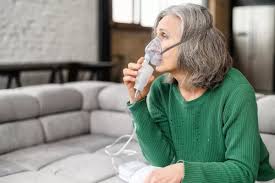
A recent report highlighted by NDTV points to an important trend in respiratory care: the use of nebulisers is closely associated with more severe cases of Chronic Obstructive Pulmonary Disease rather than early-stage treatment.
The findings are based on a large study that tracked nearly 3,000 participants over several years, including individuals diagnosed with COPD as well as those exposed to smoking. Researchers observed that nebuliser use was significantly higher among patients with advanced stages of the disease. In fact, almost half of those suffering from severe COPD reported relying on nebulisers for symptom relief.
COPD is a long-term lung condition that leads to breathing difficulties, restricted airflow, and frequent flare-ups. As the disease progresses, symptoms tend to worsen, making it harder for patients to manage their condition with standard inhalers alone. This is where nebulisers become more relevant. These devices convert liquid medication into a fine mist, allowing patients to inhale it directly into the lungs over a longer duration, typically 10–15 minutes.
The study found several strong links between nebuliser use and disease severity. Patients who depended on nebulisers were more likely to experience frequent exacerbations, reduced lung function, and higher symptom burden. Lower exercise capacity and increased breathlessness were also common among these individuals.
However, an important clarification from the research is that nebulisers do not cause severe COPD. Instead, their usage reflects the seriousness of the condition. In other words, patients turn to nebulised therapy when their symptoms become difficult to manage through other treatments. This makes nebuliser use more of a marker of advanced disease rather than a contributing factor to its progression.
Doctors often recommend nebulisers in specific situations—such as when patients struggle to use inhalers correctly, experience worsening symptoms, or require rapid relief during flare-ups. For individuals with severe breathlessness or coordination issues, nebulisers can provide a more effective and manageable way to deliver medication.
Another notable observation from the study is the limited use of long-acting nebulised medications. Most patients relied on short-acting bronchodilators for immediate relief instead of long-term control therapies. This raises questions about whether treatment strategies could be optimized earlier in the disease course to slow progression and improve outcomes.
Experts suggest that better alignment between disease severity and treatment plans could help reduce complications and hospital visits. Early intervention, proper use of inhalers, and timely escalation of therapy may play a crucial role in managing COPD more effectively.
Overall, the study sheds light on how treatment patterns evolve as COPD worsens. It underscores the need for proactive disease management and highlights nebuliser use as an indicator that a patient may require closer monitoring and more intensive care.