



















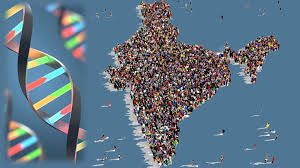
India’s vast genetic diversity is emerging as a powerful tool for improving healthcare, disease prevention, and personalized medicine. Scientists and healthcare experts say understanding the country’s unique genetic makeup could help doctors predict disease risks more accurately, develop targeted treatments, and improve the effectiveness of medicines for millions of people. Recent genomic research has revealed that India possesses one of the most diverse populations in the world due to its long history, regional variations, and community-based social structures.
Researchers explain that India’s population consists of more than 4,600 distinct groups, many of which have practiced endogamy — marrying within communities — for generations. This has preserved unique genetic patterns and resulted in population-specific mutations that may influence susceptibility to diseases such as diabetes, heart disorders, cancers, neurological conditions, and rare inherited illnesses.
The government-backed GenomeIndia Project has become one of the country’s most ambitious scientific efforts to map this diversity. The initiative has successfully sequenced the genomes of over 10,000 Indians from different regions and communities, creating one of the largest genomic datasets ever developed in the country. Scientists say the project has already identified millions of genetic variants, including several previously unknown mutations unique to Indian populations.
According to researchers, these discoveries could significantly improve disease diagnosis and treatment. Many commercial genetic tests and medicines currently rely heavily on European genetic databases, which often fail to accurately represent Indian populations. As a result, certain diseases may remain undiagnosed or treatments may not work as effectively for Indian patients. India-specific genomic data could help bridge this gap and improve precision medicine tailored to local populations.
Experts also believe genomic research can support pharmacogenomics — the study of how genes influence drug response. Different genetic profiles can affect how individuals metabolize medicines, making some treatments highly effective for certain people but less useful or even harmful for others. By understanding genetic variations more deeply, doctors may eventually prescribe personalized medicines and dosages based on an individual’s DNA profile.
Studies have already shown that some Indian populations carry unique genetic markers associated with higher risks of Type-2 diabetes, cardiovascular diseases, and metabolic disorders. Researchers from institutions such as CCMB and international universities have found population-specific genetic susceptibility patterns that may explain why certain illnesses appear more frequently in some communities.
Scientists note that India’s complex ancestry also plays an important role in shaping health outcomes. Large-scale studies tracing Indian ancestry have identified contributions from ancient South Asian hunter-gatherers, Iranian agricultural communities, and Eurasian pastoral groups. These historical population mixtures, combined with centuries of community isolation, have created highly distinct genetic structures across regions.
At the same time, experts warn that certain social practices have increased the frequency of inherited disorders in some communities. Research suggests that prolonged endogamy and consanguineous marriages can raise the occurrence of recessive genetic disorders because harmful variants are more likely to be inherited in duplicate. Scientists say greater awareness, genetic counselling, and population-level screening programmes may help reduce hereditary disease risks in the future.
Healthcare researchers believe genomic science could eventually transform preventive healthcare in India. Polygenic risk scores developed using Indian genetic data may help identify individuals at higher risk of developing diseases before symptoms appear. This would allow earlier lifestyle interventions, monitoring, and preventive treatment strategies.
However, experts also stress the importance of ethical safeguards, privacy protections, and responsible use of genetic information. Concerns remain around data security, discrimination, misuse by private companies, and the protection of vulnerable communities. Scientists argue that genomic research must be accompanied by strong regulations and public awareness to ensure that advances in genetic science benefit society fairly and responsibly.