













Protein plays an essential role in maintaining overall health, supporting muscle repair, strengthening immunity, improving energy levels, and helping the body perform vital functions. Nutrition experts say including protein-rich foods in daily meals can also support weight management, improve metabolism, and promote better recovery after physical activity. A recent report highlighted seven high-protein foods that may naturally contribute to better health and wellness.
One of the most recommended protein-rich foods is Greek yogurt. It contains around 15–20 grams of protein per serving and is also packed with calcium and probiotics that support digestive health. Health experts suggest choosing unsweetened versions to avoid excessive sugar intake while gaining the nutritional benefits of protein and gut-friendly bacteria.
Chicken breast is another widely preferred source of lean protein. A 100-gram serving can provide nearly 31 grams of protein while remaining relatively low in fat. Nutritionists say chicken is ideal for muscle maintenance, weight control, and meal planning because it is versatile and easy to prepare in healthy ways.
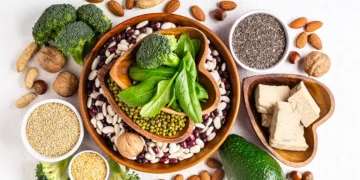
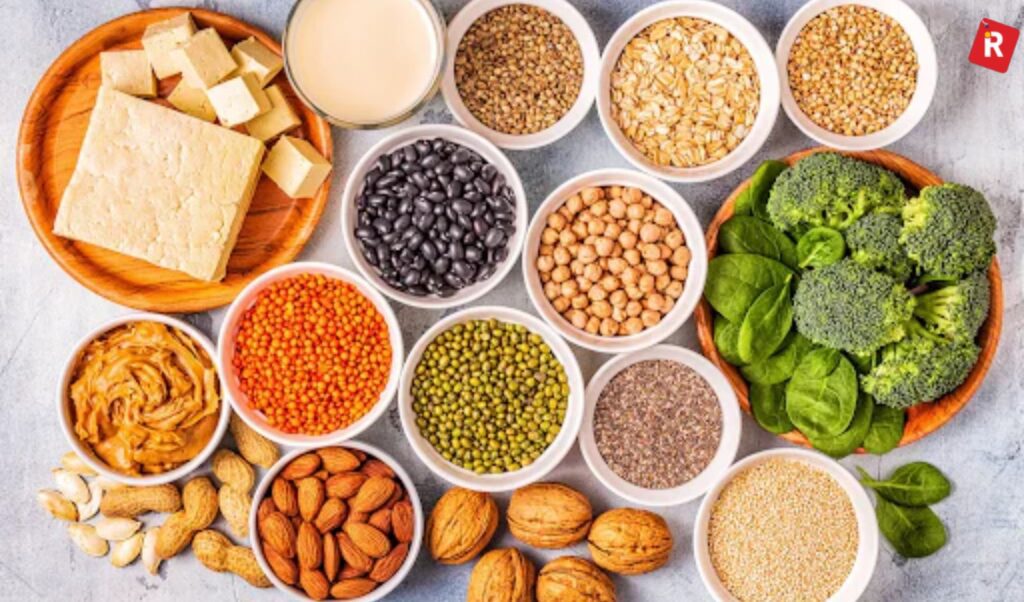
Lentils were also highlighted as an excellent plant-based protein source. One cooked cup of lentils provides substantial protein along with fibre, iron, potassium, and folate. Experts note that lentils support digestion, help regulate blood sugar levels, and may lower the risk of heart-related conditions when consumed regularly.
Paneer, a staple in Indian households, is another protein-rich food known for its nutritional value. It typically contains 18–20 grams of protein per 100 grams and also supplies calcium essential for bone health. Health specialists say paneer is especially useful for vegetarians seeking quality protein options without relying on meat products.
Cottage cheese was also listed among beneficial high-protein foods. Apart from being rich in protein, it is considered a light and filling food suitable for snacks or balanced meals. Dieticians often recommend cottage cheese because it supports muscle recovery and helps maintain satiety for longer periods.
Almonds, though lower in protein compared to dairy or meat, remain nutritionally valuable because they combine protein with healthy fats, vitamin E, fibre, and magnesium. Studies indicate almonds may help reduce bad cholesterol levels and support heart health when consumed in moderation.
Eggs complete the list of recommended high-protein foods. They are regarded as one of the best complete protein sources because they contain all essential amino acids required by the body. Eggs are also rich in vitamins, minerals, and healthy fats, making them a convenient and affordable addition to balanced diets.
Health experts emphasise that while protein is important, balance remains equally necessary. Excessive protein consumption, especially from processed foods or extreme diets, may create health complications over time. Discussions among nutrition communities also highlight the importance of hydration, vitamins, and mineral intake when following high-protein eating patterns.
Experts recommend combining both animal-based and plant-based protein sources to ensure the body receives a complete range of nutrients and amino acids. A balanced diet containing protein, fibre, healthy fats, fruits, and vegetables is considered the best approach for long-term health and sustainable nutrition.