














A new study has found that being overweight or obese before pregnancy—by either parent—can significantly increase the risk of fatty liver disease in their children later in life. The research highlights that pre-pregnancy health plays a crucial role in shaping long-term outcomes for the next generation.
The study, based on data from nearly 2,000 individuals, revealed a strong link between parents’ body mass index (BMI) and the likelihood of their children developing metabolic dysfunction-associated steatotic liver disease (MASLD), a common chronic liver condition.
Key findings show that every one-unit increase in a mother’s BMI raises the child’s risk by about 10%, while a similar increase in the father’s BMI raises the risk by 9%. If both parents are overweight or obese, the risk for the child can more than triple.
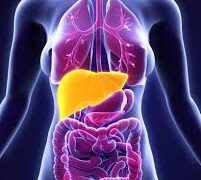
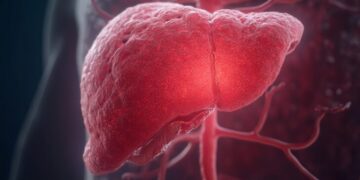
Fatty liver disease occurs when excess fat builds up in the liver and, if untreated, can progress to serious conditions such as inflammation, cirrhosis, or even liver failure. Alarmingly, it often develops silently and may begin early in life.
Experts say the increased risk is not just due to genetics but also “epigenetic” factors—changes in how genes function—as well as shared family lifestyle habits. These influences can affect a child’s metabolism even before birth.
Importantly, the study shifts focus from only maternal health to both parents, emphasizing that fathers’ health before conception is equally significant in determining a child’s future health risks.
Researchers also stress that this risk is preventable. Maintaining a healthy weight, improving diet, and adopting active lifestyles before conception can help reduce the chances of fatty liver disease in children.
Overall, the findings reinforce the importance of preconception care, suggesting that healthy lifestyle choices by both parents can have lasting benefits for future generations.