

















In an era dominated by fast-paced lifestyles and digital fatigue, ancient Ayurvedic practices are quietly re-emerging as a preferred form of self-care, particularly among younger generations. Rooted in a 5,000-year-old system of holistic healing, Ayurveda is no longer confined to traditional medicine but is increasingly being adapted into everyday wellness routines. This revival reflects a broader shift toward mindful living, where individuals seek balance not just physically, but mentally and emotionally as well.
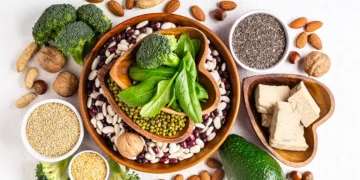
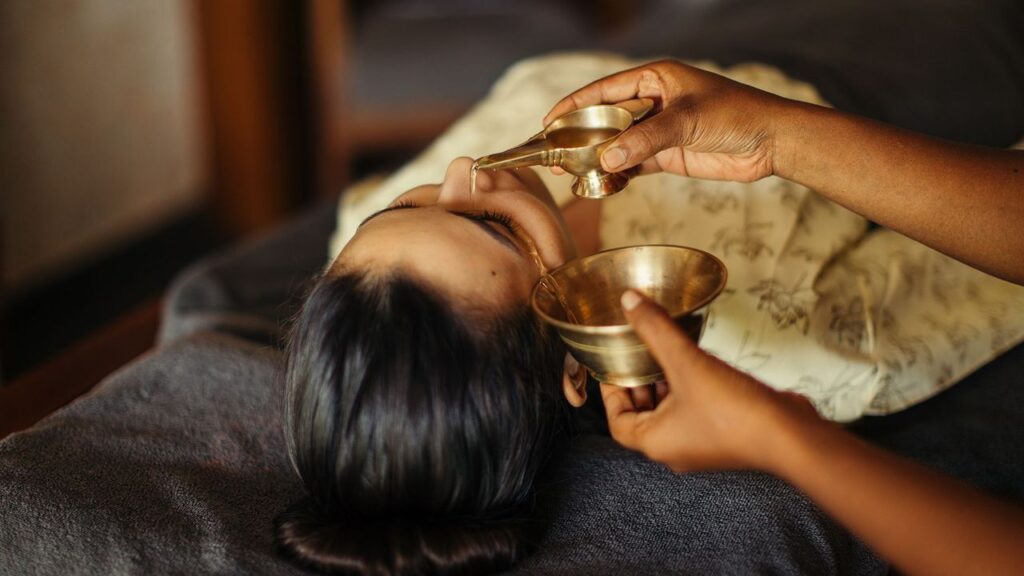
What makes this trend notable is how seamlessly these age-old rituals are being integrated into contemporary lifestyles. Practices such as oil massages, herbal skincare, mindful eating, and daily routines aligned with natural cycles are being reinterpreted for modern convenience. Rather than following Ayurveda in its classical, elaborate form, many are adopting simplified versions that fit into busy schedules. This blend of tradition and practicality has made Ayurveda more accessible, especially to urban populations seeking sustainable and natural alternatives to chemical-based products and high-stress routines.
A key factor driving this resurgence is the growing awareness of preventive health. Unlike modern healthcare systems that often focus on treating illness, Ayurveda emphasises maintaining balance within the body to avoid disease altogether. Its principles—centred on diet, lifestyle, and personalised care—resonate strongly in a time when stress, poor nutrition, and sedentary habits are contributing to a rise in lifestyle-related disorders. As a result, Ayurvedic self-care is being viewed not just as a wellness trend, but as a proactive approach to long-term health.
Another important dimension of this movement is personalisation. Ayurveda’s concept of tailoring routines based on an individual’s body type or “dosha” aligns well with modern preferences for customised health solutions. Today’s consumers are increasingly drawn to wellness practices that recognise individual differences rather than offering one-size-fits-all remedies. This has allowed Ayurveda to evolve beyond its traditional roots and position itself as a relevant, adaptable system in the global wellness landscape.
However, the modern adaptation of Ayurveda also raises questions about authenticity and depth. While its growing popularity is encouraging, experts caution against reducing it to a set of superficial beauty or relaxation trends. True Ayurvedic practice involves a comprehensive lifestyle approach, encompassing diet, routine, mental well-being, and environmental harmony. Stripping it down to quick fixes risks diluting its essence and long-term benefits.
Ultimately, the renewed interest in Ayurvedic rituals signals a deeper cultural and behavioural shift. As people grapple with the pressures of modern living, they are turning to time-tested wisdom for sustainable solutions. The challenge lies in preserving the integrity of these practices while adapting them to contemporary needs. If balanced effectively, Ayurveda’s integration into modern self-care could offer not just temporary relief, but a more enduring pathway to holistic well-being.