



















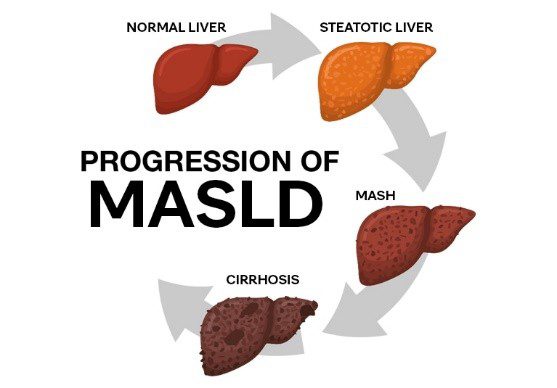
A recent global study has warned that metabolic liver disease—now termed metabolic dysfunction-associated steatotic liver disease (MASLD)—could affect nearly 1.8 billion people worldwide by 2050, making it one of the fastest-growing chronic health conditions.
The study, published in The Lancet Gastroenterology & Hepatology, reveals that around 1.3 billion people were already living with the condition in 2023—a massive 143% increase since 1990. If current trends continue, cases are expected to rise by over 40% in the coming decades.
MASLD, previously known as non-alcoholic fatty liver disease, occurs when excess fat builds up in the liver due to metabolic issues such as obesity, diabetes, high blood sugar, and sedentary lifestyles. Alarmingly, the disease often develops silently without noticeable symptoms, increasing the risk of severe complications like liver cirrhosis, liver failure, and cancer if left untreated.
Experts identify rising obesity levels, unhealthy diets, and lack of physical activity as the primary drivers behind this surge. High blood sugar has been found to be the leading risk factor, followed by high body mass index (BMI) and smoking. Rapid urbanisation and lifestyle changes, especially in developing countries, are further accelerating the spread.
The study also highlights concerning trends such as increasing cases among younger adults and significant regional disparities, with higher prevalence seen in parts of North Africa and the Middle East. Despite better diagnosis and management helping reduce severe outcomes in some regions, the overall number of cases continues to rise sharply.
Researchers stress that urgent public health action is needed, including awareness campaigns, early screening, and policies targeting obesity and metabolic disorders. Without timely intervention, MASLD could place a massive burden on global healthcare systems in the coming decades.