

















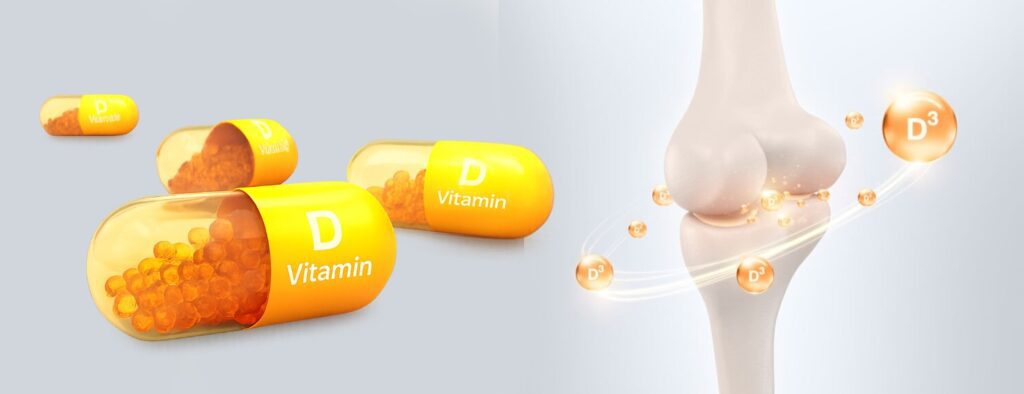
Vitamin D is often associated with strong bones, but experts now stress that its role in the body goes far beyond skeletal health. A recent report highlights that low vitamin D levels can quietly impact multiple systems, making deficiency a widespread yet under-recognised health concern.
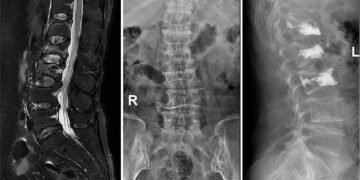
One of the primary functions of vitamin D is to help the body absorb calcium, which is essential for maintaining bone density and supporting healing after injuries. Without adequate levels, calcium absorption declines, increasing the risk of weak bones, fractures, and delayed recovery.
However, its importance extends well beyond bones. Vitamin D plays a key role in muscle strength and coordination. Deficiency can lead to fatigue, body aches, and reduced muscle power, increasing the likelihood of falls and injuries in both younger and older individuals.
Experts also highlight its influence on hormonal balance, particularly in women. Low vitamin D levels have been linked to menstrual irregularities, conditions like PCOS, and fertility challenges. It is equally important during pregnancy and menopause, where it supports both maternal health and long-term bone stability.
Another crucial function of vitamin D is its role in strengthening the immune system. It helps regulate the body’s defense mechanisms and reduces inflammation. A deficiency may result in slower recovery from illnesses, increased susceptibility to infections, and an overall decline in resilience.
Despite its importance, vitamin D deficiency has become extremely common worldwide. Even in countries with abundant sunlight like India, many people fail to maintain adequate levels. One of the main reasons is modern lifestyle habits—people spend most of their time indoors, limiting natural sun exposure, which is the body’s primary source of vitamin D.
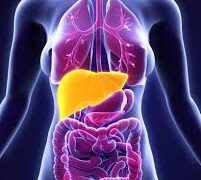
Diet also plays a role. Foods naturally rich in vitamin D are limited, and typical diets may not provide sufficient amounts. Additionally, certain medical conditions can reduce the body’s ability to absorb or process vitamin D effectively. Disorders affecting the gut, liver, or kidneys can interfere with its absorption and activation.
Other factors contributing to deficiency include ageing, obesity, and darker skin tones, all of which can reduce the body’s ability to produce or utilise vitamin D efficiently. In many cases, symptoms such as fatigue, muscle pain, or slow healing are overlooked or treated separately, without identifying the underlying deficiency.
The concern is that vitamin D deficiency often develops silently. Many people remain unaware until it begins to affect bone strength, immunity, or overall health. Experts recommend regular monitoring, especially for high-risk groups, along with balanced nutrition and adequate sunlight exposure.
Overall, the report underscores that vitamin D is not just a “bone vitamin” but a critical nutrient for overall well-being. Addressing its deficiency early can help prevent a range of health issues and improve quality of life.