








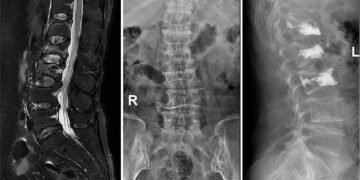











Osteoporosis, long considered a condition affecting mainly women, is increasingly being recognised as a serious but underdiagnosed health issue in men. A recent report highlights that many men are being screened too late, often only after significant bone loss or fractures have already occurred, reducing the chances of effective prevention and treatment.
Research cited in the report shows that osteoporosis in men is both common and frequently overlooked by clinicians. Diagnosis is typically based on bone mineral density (BMD), measured using a DXA scan, where a T-score of -2.5 or lower indicates osteoporosis. However, despite having similar diagnostic criteria as women, men are far less likely to undergo timely screening.
One of the key concerns is the delayed detection of the disease. In many cases, men only discover they have osteoporosis after experiencing fractures or trauma. This late diagnosis significantly limits the window for preventive care. Studies indicate that survival rates after initial bone density testing are lower in men compared to women—73% versus 87% over five years—and the gap widens further over a decade.
Experts attribute this delay to multiple factors, particularly low awareness among men. Bone health is often not prioritised, with greater attention given to conditions such as heart disease or diabetes. As a result, routine health check-ups rarely include bone density assessments. Additionally, men are generally less likely to seek preventive medical care, further contributing to late diagnosis.
The situation is especially concerning in India, where screening rates remain low. Many men ignore early warning signs or risk factors, such as minor fractures, until the condition worsens. There is also limited awareness about how lifestyle choices and ageing impact bone strength, leading to underestimation of the risks associated with osteoporosis.
Health experts recommend that men above the age of 60 undergo regular screening to assess their bone density. Early testing is particularly important for those with risk factors such as a history of fractures, low testosterone levels, long-term steroid use, or chronic illnesses. Identifying the condition early can help prevent serious complications, including debilitating fractures.
Prevention plays a crucial role in reducing the burden of osteoporosis. Maintaining adequate calcium and vitamin D intake, engaging in weight-bearing exercises, and avoiding smoking and excessive alcohol consumption are key measures that support bone health. Regular monitoring, combined with lifestyle modifications, can significantly lower the risk of developing severe osteoporosis.
Overall, the findings underscore the need for a shift in how osteoporosis is perceived and managed in men. Rather than treating it as a condition that emerges only after visible symptoms, experts stress the importance of early screening and proactive care. Without timely intervention, many men risk losing valuable years for prevention, making osteoporosis a silent but serious threat to long-term health.