

















As extreme heat grips large parts of North India, hospitals are witnessing a sharp increase in patients suffering from heat-related illnesses. Doctors report a noticeable surge in cases such as dehydration, heat exhaustion, heatstroke, and related complications, as temperatures continue to rise beyond normal seasonal levels.
Health experts warn that the current weather conditions are not only uncomfortable but also potentially dangerous. With temperatures frequently crossing 40°C and heatwaves arriving earlier than usual, the human body is struggling to cope with prolonged exposure to high heat. Authorities have already cautioned that 2026 could see an especially severe summer, with above-normal heatwave days expected across several regions.
Hospitals, particularly in northern states, are seeing a steady influx of patients experiencing symptoms such as dizziness, fatigue, nausea, and fainting. In more severe cases, individuals are being admitted with heatstroke—a life-threatening condition that occurs when the body loses its ability to regulate temperature. Medical professionals emphasize that delayed treatment in such cases can lead to organ damage or even death.
The rise in illnesses is being attributed to a combination of factors, including prolonged outdoor exposure, inadequate hydration, and increased physical activity during peak heat hours. Vulnerable groups such as children, the elderly, and outdoor workers are especially at risk. Experts note that dehydration plays a critical role, as it reduces the body’s ability to cool itself through sweating, thereby increasing the chances of heat-related complications.
Doctors also point out that the effects of extreme heat go beyond immediate discomfort. High temperatures can put additional strain on vital organs such as the heart, kidneys, and brain, leading to serious long-term health issues. In some cases, people may not even recognize the early warning signs, allowing the condition to worsen before medical help is sought.
To manage the growing number of cases, hospitals are enhancing their preparedness by stocking essential medicines, oral rehydration solutions, and intravenous fluids. Some healthcare facilities have also set up dedicated cooling areas and special units to treat heatstroke patients efficiently. Authorities across states have instructed hospitals to remain on high alert and ensure timely treatment for those affected.
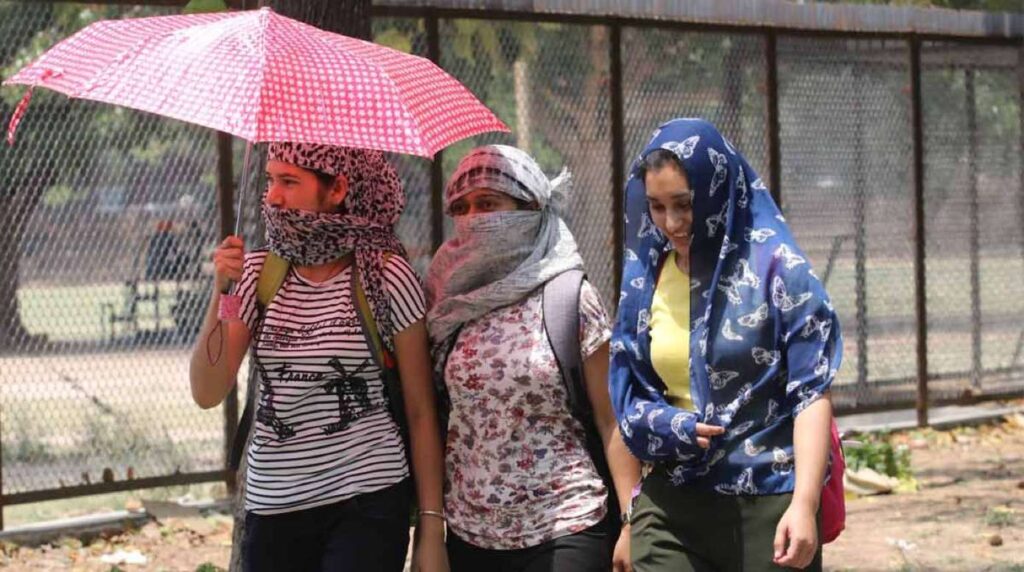
Health experts strongly advise the public to take preventive measures during this period of intense heat. Staying hydrated is considered the most effective way to avoid heat-related illnesses. People are encouraged to drink water regularly and include fluids like buttermilk, coconut water, and fresh juices in their diet. Wearing light, loose-fitting cotton clothes and avoiding direct sunlight during peak hours—typically between noon and late afternoon—can also reduce risk.
In addition, individuals are urged to pay attention to early symptoms such as excessive sweating, muscle cramps, or unusual fatigue. Seeking prompt medical attention can prevent minor conditions from escalating into serious health emergencies.
The ongoing situation highlights the growing impact of climate-related challenges on public health. With heatwaves becoming more frequent and intense, experts stress the need for increased awareness, timely precautions, and stronger healthcare preparedness to protect vulnerable populations.