













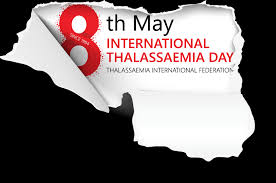
India continues to face a growing challenge from thalassemia, a hereditary blood disorder that affects thousands of children every year, making awareness, early diagnosis, and preventive screening more important than ever. On the occasion of World Thalassemia Day 2026, health experts highlighted the urgent need for large-scale screening programmes and public education to reduce the number of thalassemia cases in the country.
Medical professionals often describe India as the “thalassemia capital” of the world because of the high number of carriers and patients. According to health estimates, nearly 35 to 45 million Indians are carriers of beta-thalassemia, while around 10,000 to 12,000 children are born with the disease each year. Certain communities and regions, including Punjab, Gujarat, Maharashtra, and West Bengal, report a higher prevalence of the disorder.
Thalassemia is a genetic blood disorder that affects the body’s ability to produce normal haemoglobin, leading to severe anaemia and other health complications. Patients with severe forms of the disease often require lifelong blood transfusions, iron chelation therapy, and continuous medical supervision. Experts say that despite medical advancements, lack of awareness and delayed diagnosis remain major challenges in India.
The theme for World Thalassemia Day 2026 is “Hidden No More: Finding the Undiagnosed. Supporting the Unseen.” The campaign focuses on identifying undiagnosed patients and ensuring proper support systems for those already living with the condition. Healthcare organisations worldwide are using the occasion to promote awareness about genetic screening, counselling, and preventive healthcare.
Doctors stress that thalassemia is largely preventable through premarital and prenatal screening. If both parents are carriers of the thalassemia trait, there is a 25% chance that their child may be born with thalassemia major, the most severe form of the disease. Experts recommend blood screening and genetic counselling before marriage or pregnancy to help families make informed decisions.
Several health specialists have urged people to prioritise thalassemia screening with the same seriousness as traditional compatibility checks before marriage. They believe awareness campaigns at schools, colleges, and community levels can significantly reduce the number of affected births in the future.
Healthcare institutions also emphasised the importance of regular blood donation for thalassemia patients who depend on transfusions for survival. Community organisations and patient support groups across India conducted awareness drives, blood donation camps, and educational programmes to mark the occasion. Social media campaigns and public discussions also encouraged people to learn more about carrier testing and early diagnosis.
Doctors note that while advanced treatments such as bone marrow transplants and stem cell therapy offer hope in some cases, they remain expensive and inaccessible for many families. Therefore, prevention through awareness and screening continues to be the most effective strategy against the disease.
Experts believe India can significantly reduce the burden of thalassemia through nationwide awareness programmes, accessible genetic testing, stronger healthcare infrastructure, and public participation in blood donation initiatives. They say early detection and informed family planning are key to creating a healthier future and preventing thousands of avoidable cases every year.