


















A growing number of women in 2026 are moving away from extreme workout routines and restrictive fitness trends in favour of sustainable wellness practices that prioritise long-term physical and mental health. Experts say the shift reflects changing attitudes toward fitness, with more women focusing on balance, recovery, flexibility, and emotional wellbeing instead of intense exercise regimens aimed solely at rapid weight loss or body transformation.
For years, high-intensity workouts, strict diet plans, and “no pain, no gain” fitness culture dominated social media and wellness spaces. However, health professionals now observe that many women are rejecting unsustainable routines that often lead to burnout, injuries, hormonal imbalances, and mental exhaustion. Instead, they are embracing healthier lifestyles centred on consistency and realistic wellness goals.
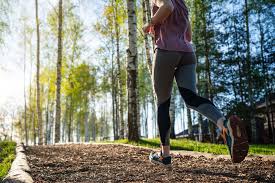
According to fitness experts, women are increasingly choosing exercise methods that support both physical fitness and mental wellbeing. Activities such as Pilates, yoga, walking, strength training, stretching, mobility exercises, and low-impact cardio have gained popularity because they are easier to maintain over long periods and place less stress on the body. These routines also allow greater flexibility for women balancing careers, family responsibilities, and personal health.
Mental wellness has become a central part of modern fitness culture. Many women now prioritise stress reduction, better sleep, emotional balance, and self-care alongside physical fitness. Wellness professionals say the pandemic years significantly changed perceptions about health, encouraging people to focus more on holistic wellbeing rather than appearance-based goals alone. Practices such as meditation, breathwork, mindfulness, and recovery therapy are becoming part of everyday wellness routines.
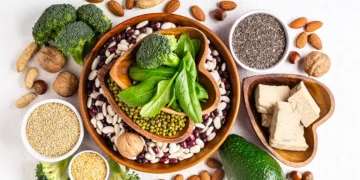
Nutrition trends are also evolving. Instead of following crash diets or restrictive eating plans, women are increasingly adopting intuitive eating and balanced nutrition habits. Dieticians report that sustainable eating patterns focused on whole foods, hydration, protein intake, and mindful eating are replacing extreme calorie restrictions. Experts believe this approach promotes healthier relationships with food and reduces the psychological pressure often associated with rigid dieting culture.
Another major factor behind the shift is growing awareness about hormonal health. Fitness specialists say excessive workouts and under-eating can negatively affect hormones, menstrual health, metabolism, and energy levels. As awareness about women’s health issues increases, more women are choosing customised fitness plans that align with their body’s needs rather than blindly following online fitness trends.
Social media has also played a role in changing fitness attitudes. Earlier, platforms often promoted unrealistic beauty standards and highly intense workout routines. In recent years, however, influencers and wellness creators have started encouraging body positivity, rest days, sustainable fitness habits, and realistic health goals. Many women now value feeling energetic and healthy over achieving a particular body type.
Experts note that functional fitness is becoming more important than aesthetic-focused training. Women are increasingly choosing workouts that improve strength, flexibility, posture, endurance, and daily mobility instead of focusing only on appearance. This shift reflects a broader understanding that fitness should improve quality of life rather than become a source of stress or pressure.
Healthcare professionals believe the trend toward sustainable wellness could have long-term benefits for women’s health. Balanced routines are generally easier to maintain, reduce the risk of injuries, and support emotional wellbeing. Experts say sustainable fitness encourages healthier habits that can continue throughout different life stages, including pregnancy, menopause, and ageing.
As wellness trends continue to evolve in 2026, women are redefining what it means to be healthy. Instead of chasing extreme fitness goals, many are now embracing moderation, consistency, recovery, and self-care as the foundation of a healthier and more sustainable lifestyle.