















Amid growing global concern over a recent hantavirus outbreak linked to a cruise ship, Indian health authorities have clarified that there is currently no immediate public health threat to India. The reassurance came from Dr. Naveen Kumar, Director of the Indian Council of Medical Research’s National Institute of Virology (ICMR-NIV), who stated that the reported infections appear to be isolated cases with no evidence of community transmission.
The statement follows reports that two Indian nationals aboard an international cruise ship had tested positive for hantavirus. The outbreak, which reportedly involved multiple suspected infections and a few fatalities, triggered concern in several countries as global health agencies began monitoring passengers and tracing contacts. However, Indian experts have emphasized that hantavirus behaves very differently from highly contagious respiratory diseases such as COVID-19.
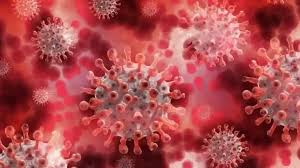
According to Dr. Kumar, hantaviruses are primarily transmitted through exposure to infected rodents or their body fluids, including saliva, urine, and droppings. Humans usually contract the infection after inhaling virus particles in enclosed or poorly ventilated areas such as warehouses, barns, storage facilities, and ships. Experts noted that direct human-to-human transmission is extremely uncommon and has only been documented in rare cases involving specific South American strains like the Andes virus.
Health authorities stressed that the currently reported cases linked to the cruise ship do not indicate widespread transmission. The World Health Organization (WHO) has also assessed the broader public health risk as low, although international surveillance and precautionary measures continue due to the incubation period of the virus.
Medical experts explained that hantavirus infection can initially resemble common illnesses such as influenza, dengue, or severe respiratory infections, making early diagnosis difficult in some cases. Common symptoms include fever, severe body ache, fatigue, headache, chills, nausea, vomiting, abdominal pain, and dry cough. In severe infections, patients may experience breathing difficulties, low blood pressure, or kidney-related complications.
Despite the concerns surrounding the outbreak, Indian authorities have said the country possesses sufficient laboratory and surveillance infrastructure to identify and monitor potential cases. Dr. Kumar highlighted that the ICMR-National Institute of Virology, along with the nationwide Viral Research and Diagnostic Laboratory Network consisting of more than 160 laboratories, has the capability to conduct RT-PCR testing and confirm suspected infections.
Global health agencies are continuing to monitor the situation closely after reports emerged of infections aboard the cruise vessel. According to international reports, the outbreak involved a strain believed to be linked to rodent exposure, with contact tracing efforts underway across several countries. However, experts reiterated that hantavirus outbreaks remain rare and generally do not lead to sustained human transmission.
Indian health officials have advised the public not to panic while maintaining basic hygiene and sanitation practices to prevent rodent exposure. Experts also emphasized the importance of keeping living and storage spaces clean and well ventilated, especially in areas prone to rodent infestation.
The latest clarification from ICMR-NIV aims to reassure citizens that India remains prepared to handle any suspected cases and that there is no indication of a large-scale health emergency linked to hantavirus at present.