




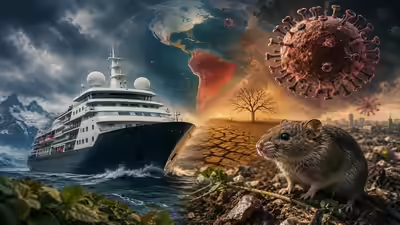














Scientists are increasingly warning that climate change could be helping the spread of hantavirus, a rare but potentially deadly disease linked to rodents. The concern has intensified after a recent outbreak aboard the cruise ship MV Hondius led to three deaths and multiple infections, drawing global attention to the virus and its changing patterns of transmission.
The MV Hondius, a Dutch expedition cruise ship, departed from Ushuaia in Argentina in April for a month-long Atlantic voyage. During the journey, several passengers developed severe respiratory symptoms. Health officials later confirmed hantavirus infections linked to the Andes strain, one of the few types known to spread between humans in close-contact situations. As of mid-May, authorities had reported 11 infections and three deaths connected to the outbreak.
Hantavirus is mainly spread through contact with infected rodent urine, droppings, or saliva. Humans can become infected by inhaling contaminated particles in the air, especially in poorly ventilated areas. Symptoms initially resemble flu, including fever, muscle pain, fatigue, and headaches, but severe cases can rapidly develop into dangerous respiratory illness known as hantavirus pulmonary syndrome.
Experts believe climate change may be creating conditions that allow rodent populations to grow and expand into new regions. Rising temperatures, altered rainfall patterns, and changing ecosystems can increase food availability for rodents, leading to population surges. These environmental shifts may also force animals to migrate closer to human settlements and tourist areas, increasing the chances of disease transmission.
Researchers point to earlier outbreaks as evidence of the climate connection. One of the best-known hantavirus outbreaks occurred in the Four Corners region of the United States in the 1990s after unusually heavy rainfall boosted vegetation growth and rodent numbers. Scientists say similar ecological disruptions linked to climate change could make such outbreaks more frequent worldwide.
The recent outbreak has also raised concerns about expedition tourism in remote regions. Cruises to Antarctica and isolated islands often expose travelers to environments where wildlife and disease patterns are less understood. Experts warn that warming temperatures may increase health risks in these destinations by altering local ecosystems and allowing disease-carrying species to thrive.
Health agencies around the world are closely monitoring the situation. The World Health Organization has advised countries to prepare for additional cases while maintaining that the overall public risk remains low. Several passengers from the MV Hondius have been quarantined in different countries, including Australia, the United Kingdom, and Spain, as authorities track possible exposures.
Scientists stress that hantavirus is still considered a rare disease, but the outbreak highlights how climate change can influence infectious diseases in unexpected ways. As weather patterns continue to shift globally, researchers believe surveillance, public awareness, and stronger disease monitoring systems will become increasingly important in preventing future outbreaks.