

















A recent study has found that gaining excessive weight during adulthood could significantly increase the risk of developing several types of cancer, with some cases showing up to a fivefold rise in risk. Researchers say the findings reinforce growing concerns about obesity as a major long-term health threat rather than only a lifestyle issue.
The research, presented at the European Congress on Obesity, examined health data from more than 600,000 adults whose weight patterns were tracked between adolescence and later adulthood. Scientists discovered that people who became obese at younger ages, particularly before turning 30, faced the highest risks for certain cancers later in life.
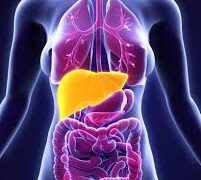
According to the findings, men who developed obesity in their twenties had nearly five times the risk of liver cancer compared to those who maintained a healthy weight. They also showed higher chances of pancreatic, kidney, and colon cancers. Women who gained substantial weight before the age of 30 faced almost a fivefold higher risk of womb cancer along with increased risks of pancreatic and kidney cancers.
Researchers believe the timing of weight gain plays a major role because earlier obesity exposes the body to harmful biological changes over a longer period. Excess fat tissue is known to increase inflammation, alter hormone levels, and raise insulin production — all of which may contribute to tumour development.
The study also found that weight gain later in adulthood can remain dangerous, especially for women during middle age and menopause. Hormonal changes during these years may further increase the risk of hormone-related cancers such as breast and womb cancer.
Health experts say the findings highlight the importance of maintaining a stable and healthy weight throughout life. They warned that obesity rates are rising globally due to unhealthy diets, sedentary lifestyles, stress, and limited physical activity. According to researchers, even moderate long-term weight gain may gradually raise cancer risk over time.
Previous studies have already linked obesity to at least 13 different types of cancer, including breast, bowel, liver, kidney, pancreatic, and thyroid cancers. Scientists now believe that cumulative weight gain across adulthood may be a stronger indicator of cancer risk than body mass index (BMI) measured at a single point in time.
Medical experts are calling for stronger public health measures to tackle obesity through healthier food systems, better urban planning, improved access to exercise facilities, and greater awareness about preventive healthcare. Some researchers also stressed the need for early intervention during adolescence and young adulthood when lifelong lifestyle habits are often formed.
Public reactions online reflected both concern and motivation. Discussions on social media platforms highlighted how difficult long-term weight management can be, while many users emphasised the importance of healthier eating habits and regular physical activity.
Researchers concluded that maintaining a healthy weight throughout adulthood remains one of the most important steps individuals can take to reduce the risk of obesity-related cancers and improve long-term health outcomes.