















India is witnessing a steady rise in cancer cases, with recent data highlighting the growing public health challenge posed by the disease. According to estimates referenced by the World Health Organization (WHO) and national health experts, nearly one in nine Indians is likely to develop cancer during their lifetime, underlining the urgent need for stronger prevention, early diagnosis, and improved access to treatment.
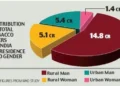
Health specialists point out that while the number of cancer cases is increasing, a significant proportion can be prevented through lifestyle changes and timely medical intervention. Tobacco use, unhealthy diets, excessive alcohol consumption, obesity, physical inactivity, and exposure to infections remain among the leading risk factors contributing to the country’s growing cancer burden. Many of these risks are considered modifiable, making awareness and preventive healthcare essential in reducing future cases.
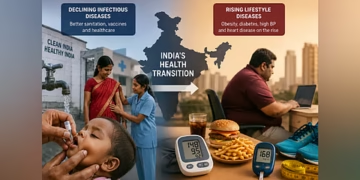
India’s ageing population and increasing life expectancy are also contributing to the rise in cancer incidence. As more people live longer, the likelihood of developing age-related diseases such as cancer naturally increases. At the same time, urbanisation, changing lifestyles, and environmental factors have altered disease patterns, resulting in a greater prevalence of non-communicable diseases across the country.
Among men, oral and lung cancers remain some of the most commonly diagnosed forms of the disease, largely linked to tobacco smoking and smokeless tobacco consumption. For women, breast and cervical cancers continue to account for a significant share of cases. Medical experts stress that regular screening programmes can detect many of these cancers at an early stage, when treatment is more effective and survival rates are considerably higher.
The report also highlights persistent challenges in cancer care across India. Many patients, particularly those living in rural and underserved regions, continue to face delays in diagnosis, limited access to specialised treatment facilities, and financial barriers that affect timely care. Strengthening healthcare infrastructure, expanding screening services, and improving affordability are seen as critical steps in addressing these gaps.
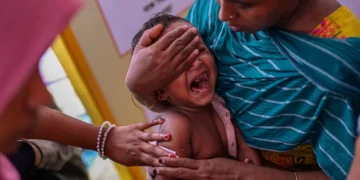
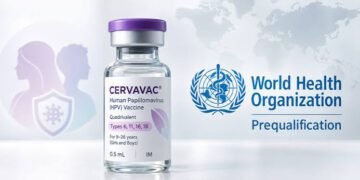
Public health experts emphasise that prevention should remain at the centre of India’s cancer control strategy. Measures such as tobacco cessation, HPV vaccination, healthier diets, regular physical activity, reduced alcohol consumption, and awareness about early warning signs can significantly reduce the risk of several cancers. Governments, healthcare providers, educational institutions, and community organisations all have an important role to play in promoting healthier lifestyles and encouraging routine health check-ups.
Technological advancements are also improving cancer detection and treatment. Modern diagnostic tools, precision medicine, minimally invasive surgical techniques, and targeted therapies are helping doctors provide more personalised care. However, experts note that ensuring equitable access to these innovations remains a major priority, particularly for patients outside metropolitan areas.
With cancer cases projected to rise further in the coming years, healthcare professionals believe India must strengthen its focus on prevention, early detection, research, and accessible treatment. Increased public awareness, stronger healthcare systems, and sustained policy support can help reduce the disease burden while improving outcomes for millions of patients. By combining medical innovation with effective public health initiatives, India can make significant progress in addressing one of its fastest-growing health challenges.