

















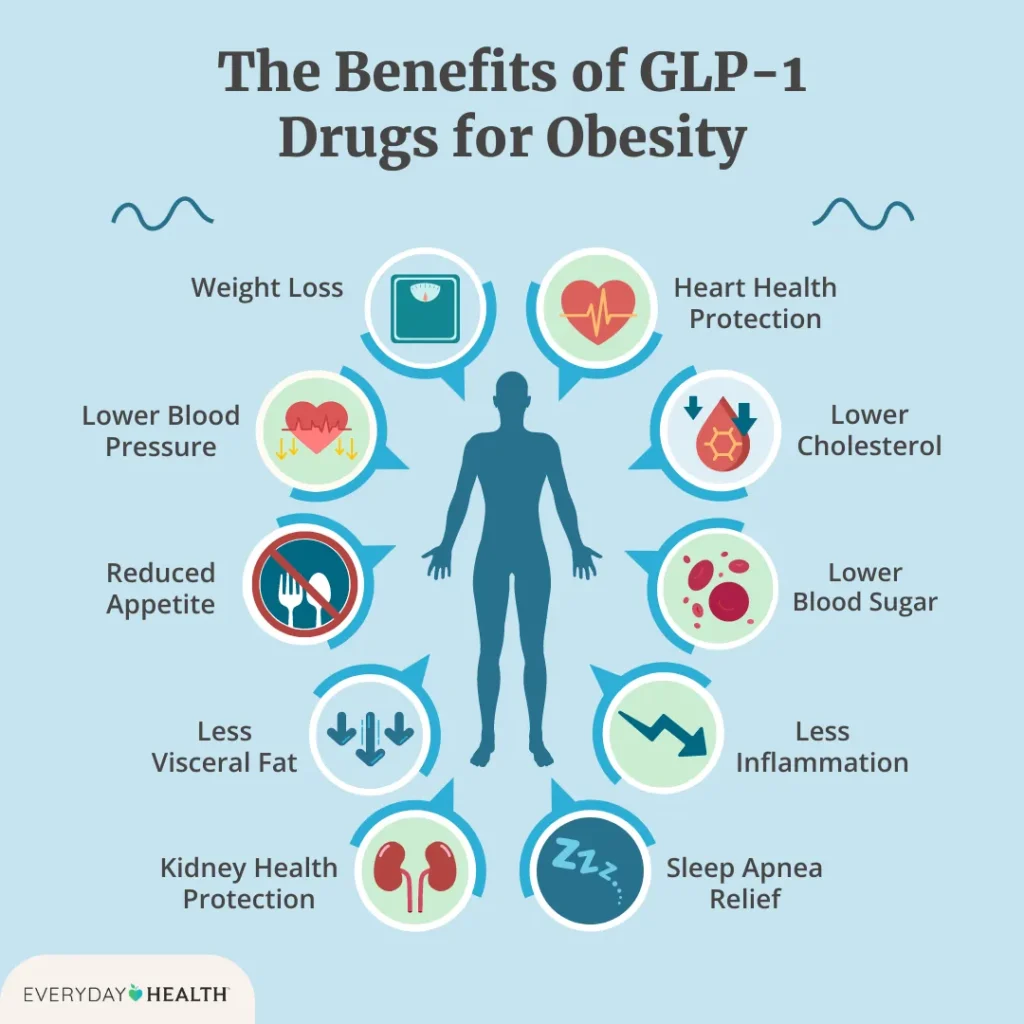
A new analysis published in The BMJ suggests that while modern weight-loss medications are highly effective in helping people lose excess weight, their benefits for heart health and overall quality of life may be more limited than previously assumed. Researchers found that although these drugs deliver significant reductions in body weight, evidence supporting broader cardiovascular benefits remains inconsistent for many treatments, highlighting the need for personalised treatment decisions.
The study reviewed data from hundreds of clinical trials involving widely used anti-obesity medications, including GLP-1 receptor agonists and newer combination therapies. Researchers compared the effects of these medicines on weight reduction, cardiovascular outcomes, and patients’ quality of life. While many medications produced substantial weight loss, only a few demonstrated measurable improvements in reducing major heart-related complications within the available follow-up period.
Experts note that obesity is a complex, long-term condition associated with diabetes, high blood pressure, heart disease, and several other chronic illnesses. As a result, treatment goals should extend beyond reducing body weight alone. Patients and healthcare providers should also consider factors such as improvements in metabolic health, physical functioning, treatment safety, affordability, and long-term adherence when selecting an appropriate therapy.
The findings do not suggest that weight-loss medications are ineffective. Instead, researchers emphasise that evidence for long-term cardiovascular protection is still evolving for many newer drugs. Some medicines, particularly semaglutide injections, have already demonstrated cardiovascular benefits in specific patient groups, while ongoing studies are expected to provide additional information for newer therapies such as tirzepatide. Experts caution against interpreting the analysis as proof that these medicines lack heart-health benefits altogether, pointing out that limited long-term data exists for several treatments.
The review also highlights the importance of combining medication with sustainable lifestyle changes. Doctors recommend that patients continue following healthy eating habits, regular physical activity, behavioural counselling, and routine medical monitoring while using weight-management drugs. Medication alone is unlikely to provide lasting health improvements without broader lifestyle modifications that address the underlying causes of obesity.
Another important consideration is treatment continuity. Previous research has shown that discontinuing weight-loss medications often results in gradual weight regain, along with a reversal of many of the improvements seen in blood pressure, cholesterol levels, and other cardiometabolic markers. These findings reinforce the idea that obesity should be managed as a chronic condition requiring long-term care rather than short-term treatment.
Healthcare experts believe treatment decisions should be tailored to individual patients based on their medical history, existing health conditions, expected benefits, potential side effects, treatment costs, and personal preferences. For many individuals, weight-loss medications can play a valuable role in reducing obesity-related health risks, but they should form part of a comprehensive care plan rather than being viewed as a standalone solution.
As obesity rates continue to rise worldwide, the demand for effective medical therapies is expected to grow. Researchers say future studies with longer follow-up periods will provide a clearer understanding of how different weight-loss drugs influence cardiovascular health, overall wellbeing, and long-term outcomes. Until then, clinicians recommend balancing the proven benefits of weight reduction with realistic expectations about broader health improvements while ensuring patients receive comprehensive support throughout their weight-management journey.