

















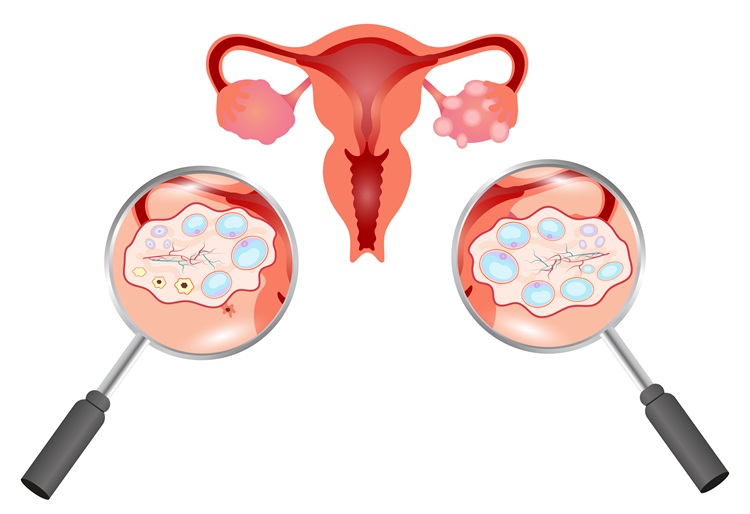
A growing body of evidence suggests that managing Polycystic Ovary Syndrome (PCOS) requires more than just treating symptoms—it calls for a holistic approach that addresses both physical and emotional health. Experts now highlight the role of Ayurveda, slow-acting herbal remedies, and mindful breathing practices in supporting recovery.
PCOS is a complex hormonal and metabolic disorder that affects menstrual cycles, fertility, weight, skin health, and mental well-being. Instead of viewing these as separate issues, Ayurveda considers them signs of a deeper internal imbalance involving digestion, metabolism, and hormonal function.
Ayurvedic treatment focuses on restoring this balance gradually through “slow healing.” Herbs such as shatavari, ashwagandha, ashoka, and lodhra are commonly used to improve hormonal regulation, strengthen digestion, and support reproductive health. These remedies work over time rather than offering quick fixes, aligning with Ayurveda’s emphasis on long-term wellness.
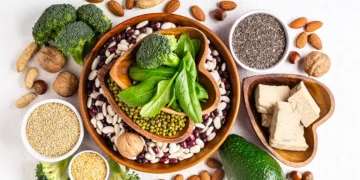
Lifestyle changes are equally important. Experts recommend eating warm, nourishing meals, maintaining a consistent daily routine, exercising regularly, and improving sleep patterns. These habits help reset the body’s natural rhythms and improve metabolic function.
A key highlight is the role of stress management. Chronic stress is seen as a major trigger that disrupts hormonal balance and worsens PCOS symptoms. When the body remains in a constant “fight or flight” state, it struggles to regulate insulin and reproductive hormones effectively.
Mindful breathing techniques are emerging as simple yet powerful tools to address this. Practices such as belly breathing, alternate nostril breathing, 4-7-8 breathing, and Kapal Bhati can reduce stress hormones, improve insulin sensitivity, and enhance overall mental well-being. Even a few minutes of daily practice can lead to noticeable improvements in mood, energy levels, and hormonal balance.
Research also supports these benefits, showing that mindfulness-based practices can reduce anxiety and improve quality of life in women with PCOS.
Overall, the approach emphasises slowing down and listening to the body rather than chasing quick symptom relief. By combining herbal support, mindful breathing, and sustainable lifestyle changes, women with PCOS may achieve better long-term outcomes and improved overall health.