












Wednesday, September 16, 2026
  • About Us
  • Contact Us
No Result
View All Result
Health News, Pharma, Doctor, Nutrition, Fitness, Wellness, Healthcare Industry, Business, Health Magazine
  • Home
  • Being a Doctor
    Indian Physician Launches India’s First Doctor-Led Brain Wellness Programme for Seniors

    Indian Physician Launches India’s First Doctor-Led Brain Wellness Programme for Seniors

    Protein Craze Raises Concerns Over Liver Health: Experts Warn

    Protein Craze Raises Concerns Over Liver Health: Experts Warn

    More Indians Living With Multiple Diseases, Doctors Warn

    More Indians Living With Multiple Diseases, Doctors Warn

  • Top Stories
    Air pollution linked to suicide risk

    Air pollution linked to suicide risk

    Red Run held at Deomali to raise HIV, STI awareness

    Red Run held at Deomali to raise HIV, STI awareness

    Climate change may be spreading deadly Hantavirus

    Climate change may be spreading deadly Hantavirus

  • Industry Spotlight
    Aditya Birla Health Insurance, ICAI partner for CA health cover

    Aditya Birla Health Insurance, ICAI partner for CA health cover

    India Strengthens Fight to End Hepatitis by 2030 Goal

    India Strengthens Fight to End Hepatitis by 2030 Goal

    Experts Urge Mobility-Centred Care for India’s Elderly

    Experts Urge Mobility-Centred Care for India’s Elderly

  • Specialities
    • All
    • Cardiology
    • Critical Care
    • Dentistry
    • Dermatology
    • Diabetology
    • Gastroenterology
    • Gynaecology
    • Medicine
    • Neurology
    • Oncology
    • Ophthalmology
    • Oral Care
    • Orthopaedics
    • Paediatrics
    • Psychiatry
    • Pulmonology
    • Radiology
    Why non-smokers are getting lung cancer

    Why non-smokers are getting lung cancer

    New microscope brings hope for IBD patients

    New microscope brings hope for IBD patients

    PGIMER holds symposium on sepsis awareness

    PGIMER holds symposium on sepsis awareness

  • Wellness Matters
    • All
    • Being a Mom
    • Fitness & More
    • Healthy Lifestyle
    • Nutritious Diet
    Mammootty at 75: Diet and Fitness

    Mammootty at 75: A peek into his fitness secret

    India’s new appetite: How GLP-1 is changing food & health

    India’s new appetite: How GLP-1 is changing food & health

    Clean, Sanitise or Disinfect? Get your home-care routine right

    Clean, Sanitise or Disinfect? Get your home-care routine right

  • Pharma Focus
    AbbVie’s etentamig results strengthen it's oncology pipeline

    AbbVie’s etentamig results strengthen it’s oncology pipeline

    FDA approves Mounjaro to cut heart risk

    FDA approves Mounjaro to cut heart risk

    How India is making its presence felt in the world pharmaceutical market

    How India is making its presence felt in the world pharmaceutical market

Health News, Pharma, Doctor, Nutrition, Fitness, Wellness, Healthcare Industry, Business, Health Magazine
  • Home
  • Being a Doctor
    Indian Physician Launches India’s First Doctor-Led Brain Wellness Programme for Seniors

    Indian Physician Launches India’s First Doctor-Led Brain Wellness Programme for Seniors

    Protein Craze Raises Concerns Over Liver Health: Experts Warn

    Protein Craze Raises Concerns Over Liver Health: Experts Warn

    More Indians Living With Multiple Diseases, Doctors Warn

    More Indians Living With Multiple Diseases, Doctors Warn

  • Top Stories
    Air pollution linked to suicide risk

    Air pollution linked to suicide risk

    Red Run held at Deomali to raise HIV, STI awareness

    Red Run held at Deomali to raise HIV, STI awareness

    Climate change may be spreading deadly Hantavirus

    Climate change may be spreading deadly Hantavirus

  • Industry Spotlight
    Aditya Birla Health Insurance, ICAI partner for CA health cover

    Aditya Birla Health Insurance, ICAI partner for CA health cover

    India Strengthens Fight to End Hepatitis by 2030 Goal

    India Strengthens Fight to End Hepatitis by 2030 Goal

    Experts Urge Mobility-Centred Care for India’s Elderly

    Experts Urge Mobility-Centred Care for India’s Elderly

  • Specialities
    • All
    • Cardiology
    • Critical Care
    • Dentistry
    • Dermatology
    • Diabetology
    • Gastroenterology
    • Gynaecology
    • Medicine
    • Neurology
    • Oncology
    • Ophthalmology
    • Oral Care
    • Orthopaedics
    • Paediatrics
    • Psychiatry
    • Pulmonology
    • Radiology
    Why non-smokers are getting lung cancer

    Why non-smokers are getting lung cancer

    New microscope brings hope for IBD patients

    New microscope brings hope for IBD patients

    PGIMER holds symposium on sepsis awareness

    PGIMER holds symposium on sepsis awareness

  • Wellness Matters
    • All
    • Being a Mom
    • Fitness & More
    • Healthy Lifestyle
    • Nutritious Diet
    Mammootty at 75: Diet and Fitness

    Mammootty at 75: A peek into his fitness secret

    India’s new appetite: How GLP-1 is changing food & health

    India’s new appetite: How GLP-1 is changing food & health

    Clean, Sanitise or Disinfect? Get your home-care routine right

    Clean, Sanitise or Disinfect? Get your home-care routine right

  • Pharma Focus
    AbbVie’s etentamig results strengthen it's oncology pipeline

    AbbVie’s etentamig results strengthen it’s oncology pipeline

    FDA approves Mounjaro to cut heart risk

    FDA approves Mounjaro to cut heart risk

    How India is making its presence felt in the world pharmaceutical market

    How India is making its presence felt in the world pharmaceutical market

No Result
View All Result
Health News, Pharma, Doctor, Nutrition, Fitness, Wellness, Healthcare Industry, Business, Health Magazine
No Result
View All Result
Home Specialities Pulmonology

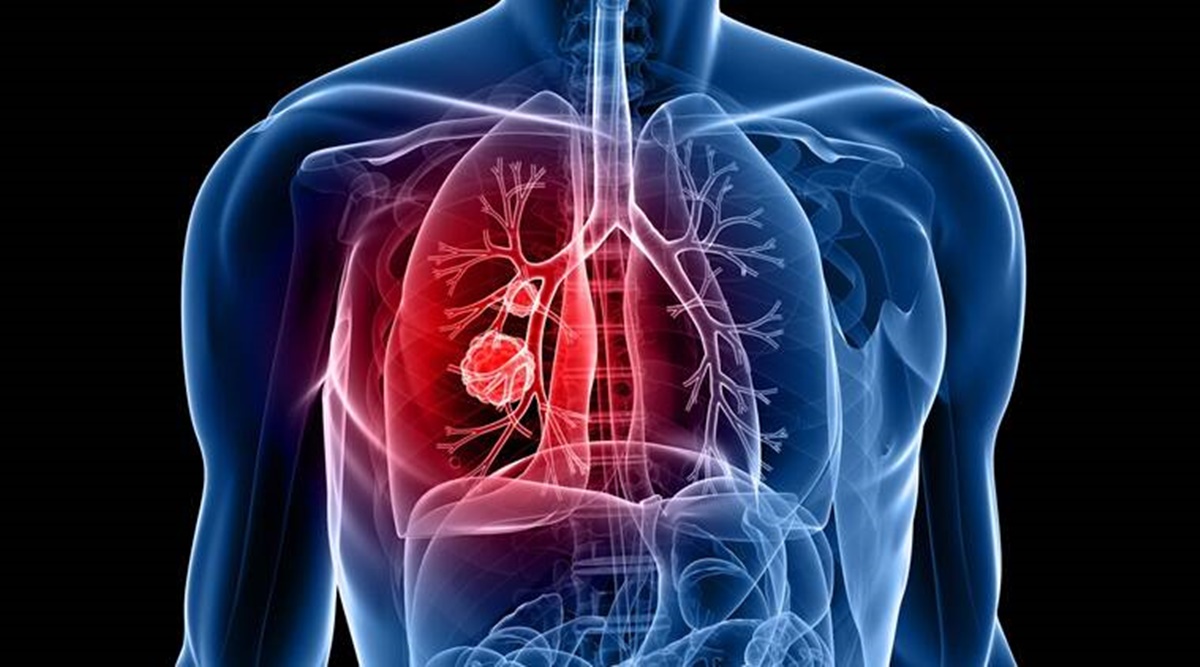
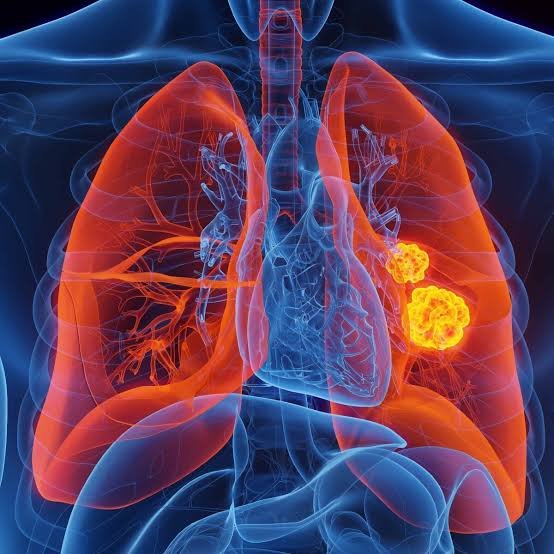
Why non-smokers are getting lung cancer

Lung cancer is no longer limited to smokers understanding the rising number of cases among non-smokers in india.

September 16, 2026
Why non-smokers are getting lung cancer

Walk into a pulmonary oncology department in India today, and one thing quickly becomes apparent: the traditional image of a lung cancer patient is changing.

For years, lung cancer was strongly associated with cigarette smoking. Medical training often presented the disease as one that primarily affected older people with decades of heavy tobacco exposure.

Why Is Lung Cancer Increasing in Never-Smokers? : Dr Pratik Patil

Doctors are increasingly encountering younger patients who have never smoked—a software engineer in their thirties, a physically active runner, or a homemaker from a rural community. Many of these individuals have no history of tobacco use at all.

Research from prominent medical centres in India suggests that never-smokers account for a substantial proportion of lung cancer diagnoses, with estimates in some settings ranging from 30% to 50%. In medical terms, a never-smoker generally refers to someone who has smoked fewer than 100 cigarettes during their lifetime.

Although lung cancer in people who have never smoked is recognised internationally, the changing pattern across South Asia has drawn increasing attention from researchers and public health specialists.

The reasons are unlikely to be explained by one factor alone. Instead, a combination of air pollution, household smoke, environmental exposures, and genetic susceptibility may be contributing to the growing burden.

The Impact of Polluted Air

For people living in India’s increasingly polluted urban centres, outdoor air quality is an important concern.

Among the pollutants attracting particular attention is PM2.5, a form of fine particulate matter measuring less than 2.5 micrometres across. Because of their extremely small size, these particles can travel deep into the respiratory system and reach the lung’s delicate air sacs.

Long-term exposure to PM2.5 can trigger inflammation, oxidative stress, and other biological changes within lung tissue. Persistent exposure may create conditions that promote cellular damage and, in individuals with susceptible cells or existing genetic alterations, potentially contribute to the development of cancer.

This means that lung cancer risk cannot always be understood simply by asking whether someone smokes. The environment in which a person lives and the air they breathe over many years can also form part of their cumulative exposure.

Pollution Doesn’t Stop at the Front Door

Outdoor pollution receives considerable attention, but indoor air pollution can be equally significant for certain populations.

In many rural Indian households, cooking continues to depend on biomass fuels, including firewood, agricultural residues, and animal dung. When these fuels are burned in enclosed kitchens with inadequate ventilation, they can produce substantial amounts of smoke and harmful compounds.

Among these pollutants are fine particles and polycyclic aromatic hydrocarbons, which can enter the lungs repeatedly over years of exposure.

Women who spend many hours cooking in these environments may therefore experience a particularly high cumulative exposure, especially when ventilation is poor.

Urban households have their own potential sources of indoor air pollution. High-temperature cooking, especially frying, can release cooking-oil fumes, fine particles, and volatile organic compounds. Without adequate ventilation, these emissions can remain concentrated indoors.

Additional exposures may further increase an individual’s overall respiratory risk. These can include secondhand tobacco smoke and, in certain buildings or geographical settings, radon—a naturally occurring radioactive gas that can accumulate indoors when ventilation is inadequate.

None of these exposures necessarily acts alone. Cancer risk can reflect the combined effect of multiple environmental and biological factors over time.

Non-Smoker Lung Cancer Has Its Own Molecular Characteristics

It is tempting to think of lung cancer as a single disease that simply happens to occur in people with different smoking histories. In reality, lung cancers can differ considerably in their biology.

People who have never smoked are more likely to develop lung adenocarcinoma, a form of cancer that originates in glandular cells of the lung.

Smoking-associated cancers, on the other hand, are often characterised by a much broader pattern of DNA damage caused by exposure to tobacco carcinogens and commonly include squamous cell carcinoma and small-cell lung cancer.

Another important feature of lung cancer in never-smokers is the presence of specific molecular abnormalities.

One of the best-known examples is an alteration in the Epidermal Growth Factor Receptor, or EGFR, gene. Studies involving Asian populations have reported considerably higher frequencies of EGFR mutations among never-smokers with lung adenocarcinoma than are generally seen in Western populations.

Researchers are still investigating why these particular molecular alterations occur more frequently in some populations. However, their presence has major implications for treatment because certain mutations can be directly targeted with specialised medicines.

Why Diagnosis Can Be Delayed

Perhaps one of the most important problems is that lung cancer may not be suspected soon enough in someone who has never smoked.

For decades, the public message surrounding lung cancer was closely tied to tobacco. Consequently, people who have never smoked may not consider cancer when they develop respiratory symptoms.

A cough that does not go away, mild breathing difficulty, tiredness, or other relatively subtle symptoms may instead be attributed to allergies, asthma, pollution, or another common respiratory condition.

India also faces the additional challenge of tuberculosis. Because tuberculosis can produce symptoms and chest-imaging abnormalities that overlap with those seen in lung cancer, distinguishing between the two can sometimes be difficult without further investigation.

The result can be a significant delay between the appearance of symptoms and a definitive diagnosis. By the time some patients are diagnosed, their disease may already have progressed to an advanced stage.

Advances in Targeted Treatment

The molecular characteristics of many non-smoker lung cancers also provide an important opportunity for personalised treatment.

When a lung tumour contains an actionable alteration such as an EGFR mutation or an ALK rearrangement, targeted therapy may be considered for an appropriate patient.

Unlike traditional chemotherapy, which affects many rapidly dividing cells throughout the body, targeted medicines are designed to interfere with specific molecular pathways involved in cancer growth.

For patients whose tumours carry the relevant molecular changes, these therapies can lead to significant tumour responses and, in many cases, allow people with advanced disease to live for longer while maintaining a relatively good quality of life.

This makes molecular testing an increasingly important part of modern lung cancer care.

Rethinking How We Approach Lung Cancer

The changing pattern of lung cancer in India requires a broader approach to both diagnosis and prevention.

The first step is recognising that lung cancer can occur even in people who have never smoked. A person’s smoking history should not be the sole factor determining whether persistent or unexplained respiratory symptoms deserve investigation.

Second, once lung adenocarcinoma is diagnosed, appropriate molecular testing can provide valuable information for treatment planning. Techniques such as Next-Generation Sequencing can identify multiple potentially actionable genetic alterations and help clinicians select therapies when suitable targets are present.

Finally, environmental exposures deserve greater attention. Outdoor air pollution, household smoke, poor ventilation, and other sources of inhaled pollutants should be viewed as meaningful contributors to lung health rather than simply as environmental nuisances.

The growing number of lung cancer cases among never-smokers reminds us that the disease is more complicated than its long-standing association with tobacco suggests. Tackling the problem will require a combination of earlier recognition, better molecular diagnosis, appropriate treatment, and sustained efforts to improve the quality of the air people breathe both indoors and outdoors.


For more health-related news

Follow Health in Five on LinkedIn & Facebook

Tags: Air PollutionALK MutationBiomass SmokeCancer AwarenessCancer PreventionEGFR MutationEnvironmental PollutionIndia HealthIndoor Air PollutionLung AdenocarcinomaLung CancerLung Cancer in IndiaLung HealthMolecular TestingNever SmokersNon-SmokersPM2.5Pulmonary OncologyRespiratory HealthTargeted Therapy
Previous Post

Air pollution linked to suicide risk

Shristi Srivastava

Shristi Srivastava

Related Posts

No Content Available
  • Trending
  • Comments
  • Latest
New study reveals where memories of familiar places are stored in the brain

New study reveals where memories of familiar places are stored in the brain

May 17, 2021
Brain aneurysm successfully treated using a contour device

Brain aneurysm successfully treated using a contour device

January 25, 2021
47yr old man with a rare complication of deep vein thrombosis successfully treated

47yr old man with a rare complication of deep vein thrombosis successfully treated

February 5, 2021

Health Talk by Dr. Nutan Ray

September 23, 2020
Indian man in Philippines sets off new cluster of Covid-19 infections

Indian man in Philippines sets off new cluster of Covid-19 infections

Cytology Aiding in Early Breast Cancer Detection

Cytology Aiding in Early Breast Cancer Detection

All About Chia Seeds and its benefits!

All About Chia Seeds and its benefits!

Why non-smokers are getting lung cancer

Why non-smokers are getting lung cancer

Why non-smokers are getting lung cancer

Why non-smokers are getting lung cancer

September 16, 2026
Air pollution linked to suicide risk

Air pollution linked to suicide risk

September 16, 2026
New microscope brings hope for IBD patients

New microscope brings hope for IBD patients

September 15, 2026
Chile eliminates dog-transmitted rabies

Chile eliminates dog-transmitted rabies

September 15, 2026
More Media More Media

About Us

“The extension to all peoples of the benefits of medical, psychological and related knowledge is essential to the fullest attainment of health.” “Health is a state of complete mental, social and physical well-being, not merely the absence of disease or infirmity.”

Read More

Categories

  • Ayush
  • Being a Doctor
  • Being a Mom
  • Cardiology
  • Covid Corner
  • Critical Care
  • Dentistry
  • Dermatology
  • Devices & Equipments
  • Diabetology
  • Digital Health
  • Featured Videos
  • First Opinion
  • Fitness & More
  • Gastroenterology
  • Gynaecology
  • HealthInFive Pulse
  • Healthy Lifestyle
  • Industry Spotlight
  • Labs@Work
  • Medicine
  • Neurology
  • News of The Day
  • Nutritious Diet
  • Oncology
  • Ophthalmology
  • Oral Care
  • Orthopaedics
  • Paediatrics
  • Pharma Focus
  • Podcasts
  • Psychiatry
  • Pulmonology
  • Radiology
  • Specialities
  • Top Stories
  • Wellness Matters

Quick Links

  • About Us
  • Contact Us
  • Privacy Policy
  • Terms and Conditions

Find us on Social Media

copyright@2026 DD100 Health

No Result
View All Result
  • Home
  • Being a Doctor
  • Top Stories
  • Industry Spotlight
  • Specialities
  • Wellness Matters
  • Pharma Focus

copyright@2026 DD100 Health