
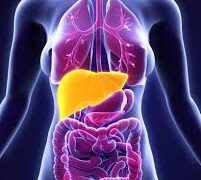
















India has intensified its campaign to eliminate viral hepatitis as a public health threat by 2030, reinforcing its commitment through the National Viral Hepatitis Control Programme (NVHCP). The initiative is focused on expanding prevention, early diagnosis, free treatment, and public awareness to reduce the burden of hepatitis B and C, which continue to be major causes of chronic liver disease and liver cancer in the country.
Launched in 2018 by the Ministry of Health and Family Welfare, the NVHCP follows a comprehensive health systems approach by integrating hepatitis services with existing national healthcare programmes. The strategy aims to ensure universal access to screening, diagnostics, and treatment while strengthening surveillance and healthcare delivery across the country. Through this integrated model, the government seeks to improve early detection and provide timely medical care, particularly for vulnerable and underserved populations.
One of the programme’s key priorities is expanding access to free screening and treatment for hepatitis B and C. Since viral hepatitis often progresses without noticeable symptoms, many people remain unaware of their infection until severe liver damage develops. By promoting routine testing and strengthening diagnostic facilities, health authorities aim to identify infections earlier, enabling timely treatment and reducing complications such as cirrhosis and liver cancer.
Preventive healthcare remains central to India’s elimination strategy. The government continues to promote safe injection practices, infection control in healthcare facilities, safe blood transfusion services, and improved sanitation. Hepatitis B vaccination, which forms part of the Universal Immunisation Programme, has significantly reduced the risk of infection among children and newborns. Public awareness campaigns are also being intensified to educate citizens about the modes of transmission, the importance of vaccination, and the need for early testing and treatment.
India’s efforts are aligned with the World Health Organization’s global target of eliminating viral hepatitis as a public health threat by 2030. The WHO aims to reduce new infections by 90 per cent and hepatitis-related deaths by 65 per cent through wider vaccination, improved testing, expanded treatment access, and stronger healthcare systems. Global health experts maintain that these targets remain achievable if countries continue investing in prevention and treatment programmes.
To support these goals, India is strengthening laboratory networks, enhancing disease surveillance systems, and training healthcare professionals to improve diagnosis and patient management. Better data collection and monitoring mechanisms are expected to help policymakers identify disease hotspots, evaluate programme performance, and allocate healthcare resources more effectively. The integration of hepatitis services with broader national health initiatives is also improving coordination across primary, secondary, and tertiary healthcare facilities.
Despite steady progress, healthcare experts caution that several challenges remain. Millions of people are still estimated to be living with hepatitis B or C without a diagnosis. Limited awareness, social stigma, and disparities in healthcare access continue to delay testing and treatment, particularly in rural and remote areas. Addressing these gaps through community outreach, public education, and stronger primary healthcare services will be essential to achieving the country’s elimination targets.
The renewed push comes as viral hepatitis continues to pose a significant global health challenge despite the availability of effective vaccines, diagnostics, and treatments. Health authorities emphasise that sustained political commitment, adequate investment, and collaboration between governments, healthcare providers, civil society organisations, and communities will be critical to ending the disease as a public health threat.
With an integrated strategy focused on prevention, early diagnosis, free treatment, vaccination, surveillance, and public awareness, India is strengthening its response to viral hepatitis. The National Viral Hepatitis Control Programme represents a key pillar of the country’s public health agenda and reflects its determination to achieve the 2030 elimination target while improving liver health and saving thousands of lives.