



















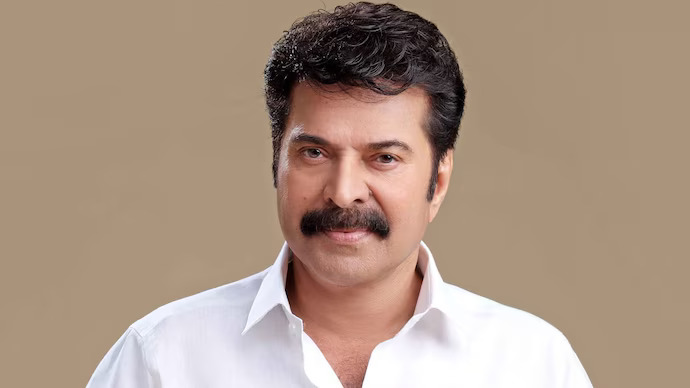
Malayalam superstar Mammootty turns 75, yet his fitness continues to be a topic of admiration. At an age when preserving muscle strength, mobility and a healthy body composition can become increasingly difficult, the veteran actor has remained associated with a disciplined lifestyle that includes regular exercise, mindful eating and proper recovery.
Interestingly, Mammootty’s approach to food has also influenced younger actors. In a recent interview with Hollywood Reporter India, Tamil actor Suriya revealed that some of his own eating habits were inspired by advice from Mammootty. Recalling the actor’s words, Suriya said, “I still remember Mammootty sir’s advice. I eat whatever I like, but not the portion I would like to eat.” He added that the important lesson for him was to eat whatever he enjoys while stopping before feeling completely full.
Although celebrity fitness routines should never be considered medical or nutritional prescriptions, Mammootty’s reported lifestyle does highlight several principles that can be useful for healthy ageing. These include mindful portions, a balanced diet, regular strength training and sufficient sleep.
)
Portion Control Rather Than Completely Avoiding Favourite Foods
One of the notable elements of Mammootty’s reported eating philosophy is moderation instead of strict restriction. The basic idea is that people do not necessarily need to completely eliminate foods they enjoy. Instead, being conscious of portion sizes can help control overall calorie consumption.
This is also the approach Suriya says he adopted after hearing Mammootty’s advice. Portion control can become particularly relevant with age, as the body’s energy needs may change depending on activity levels and other factors. At the same time, eating smaller quantities should not mean compromising on essential nutrients. Adequate protein, fibre, vitamins and minerals remain important for maintaining muscle and supporting overall health.
The objective, therefore, is not simply to eat less food, but to consume suitable portions while making sure meals remain nutritionally balanced.
Clean Eating: Limiting Fried and Sugary Foods
Mammootty has also reportedly maintained a relatively clean style of eating, with limited consumption of deep-fried foods, sugary items and excessive oil. Cutting back on these foods can reduce unnecessary calorie intake and create more room for nutrient-rich choices such as vegetables, fruits, whole grains, nuts, eggs, fish and lean protein sources.
This does not mean that sweets or fried foods must be completely removed from the diet. Instead, treating highly processed, sugary and deep-fried foods as occasional choices can make it easier to maintain a balanced eating pattern.
For people who want to stay lean while maintaining muscle, the overall quantity and nutritional quality of their diet may be more important than following an overly restrictive eating plan.
What Does Mammootty’s Reported Meal Plan Look Like?
Reports about Mammootty’s diet have described meals that focus on protein-rich foods, controlled portions and comparatively light cooking methods.
A reported breakfast consists of oats gruel, egg whites, papaya and soaked almonds. Together, these foods provide carbohydrates, protein, healthy fats and fibre.
Lunch is reportedly centred around fish curry prepared with limited spices, served with oats puttu instead of rice. Fish is a source of high-quality protein, while oats provide carbohydrates along with fibre.
Dinner is said to be lighter, with wheat or oats dosas accompanied by chicken or fish curry. Mushroom soup may also be included at the end of the meal.
The larger dietary pattern is more significant than any individual food. The reported meals combine protein with measured portions of carbohydrates while keeping excessive oil and heavy preparations to a minimum.
However, there is no reason to assume that everyone needs to follow the same celebrity diet. Nutritional needs differ from person to person depending on factors such as age, body weight, physical activity, medical conditions and individual health goals.
Regular Gym Workouts Can Help Preserve Strength
Diet is only one part of maintaining strength and fitness later in life. Mammootty has long been associated with regular gym sessions and strength-oriented workouts.
Resistance training becomes increasingly valuable with age because muscle mass and strength naturally decline over time. Preserving muscle strength can help with everyday tasks such as climbing stairs, getting up from a chair, carrying objects and maintaining balance.
Strength exercises may also contribute to bone health and help older adults maintain physical independence when performed safely and appropriately.
For people who are new to resistance training, particularly older adults, exercises should be matched to their current fitness level. Correct technique, gradual increases in training load and sufficient recovery are more important than attempting to lift extremely heavy weights.
Sleep Is Also An Important Part Of Fitness
Another aspect of Mammootty’s reported disciplined lifestyle is his focus on maintaining good sleep habits.
Sleep is often overlooked when discussing fitness, but recovery plays a crucial role in physical and mental wellbeing. During rest, the body gets an opportunity to recover from the physical demands of daily life. Getting enough sleep can also support concentration, mood, metabolic health and recovery after exercise.
For people who exercise regularly, inadequate sleep may make workouts feel more difficult and can interfere with recovery and performance. As people age, maintaining a consistent routine that includes adequate rest can become an important part of overall wellbeing.
Can Mammootty’s Fitness Routine Keep You Young?
Mammootty’s fitness at 75 may appear “age-defying”, but his lifestyle should not be viewed as a method of stopping or reversing ageing. Ageing is a natural biological process.
What healthy habits can potentially influence is how well people maintain muscle strength, cardiovascular fitness, mobility, metabolic health and independence as they grow older.
A combination of regular physical activity, sufficient protein and other essential nutrients, sensible portion sizes, nutritious foods and adequate sleep can support these aspects of healthy ageing.
Genetics, medical history and lifestyle choices accumulated over many years also influence how a person looks and performs at a particular age. As a result, there is no single diet or exercise routine that can explain someone’s fitness.
What Can We Learn From Mammootty’s Approach?
Perhaps the most valuable takeaway from Mammootty’s reported lifestyle is the importance of consistency. Instead of depending on crash diets or extreme workout programmes, maintaining healthy habits over a long period is more likely to support lasting fitness.
Being mindful of portion sizes can help manage overall calorie intake. Eating enough protein can support muscle maintenance, while resistance training can help preserve strength. Adequate sleep, meanwhile, allows the body to recover.
However, the precise foods and exercise routine should be adapted to an individual’s needs rather than copied directly from a celebrity.
Mammootty turning 75 serves as a reminder that fitness is not simply about appearing young. As people get older, maintaining strength, mobility and independence becomes increasingly important.
His reported lifestyle brings together portion control, relatively clean eating, protein-rich foods, regular gym workouts and disciplined sleep. Suriya’s comments about Mammootty’s advice further underline the importance of moderation: enjoy the foods you like, but remain aware of how much you consume.
There is no guaranteed formula for staying youthful, but maintaining healthy habits consistently can help people age with greater strength, fitness and physical independence.
For more health-related news
Follow Health in Five on LinkedIn & Facebook