


















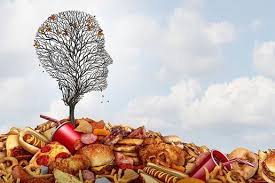
India is facing a deepening public health challenge as the rapid rise in consumption of ultra-processed and packaged foods begins to take a visible toll on the nation’s well-being. What was once considered an occasional indulgence has now become a routine part of daily diets, particularly in urban and semi-urban settings. Health experts are increasingly warning that this shift toward convenience-based eating is contributing to a steady increase in lifestyle-related diseases, including cardiovascular conditions, obesity, and Type 2 Diabetes.
The concern is not merely about changing food preferences, but about the nutritional imbalance that accompanies them. Ultra-processed foods are typically high in sugar, salt, and unhealthy fats while being low in essential nutrients such as fibre, vitamins, and minerals. As these items replace traditional home-cooked meals, they gradually weaken the body’s natural defences and metabolic balance. Over time, this dietary pattern increases susceptibility to chronic illnesses that were once more prevalent in older populations but are now being diagnosed at much younger ages.
India’s dietary transition reflects broader socio-economic changes, including urbanisation, demanding work schedules, and the growing availability of ready-to-eat options. For many households, packaged foods offer affordability and convenience, making them an easy choice in fast-paced lifestyles. However, this convenience comes at a hidden cost. Medical professionals point out that frequent consumption of such foods contributes to rising cholesterol levels, high blood pressure, and insulin resistance—key risk factors behind heart disease and diabetes.
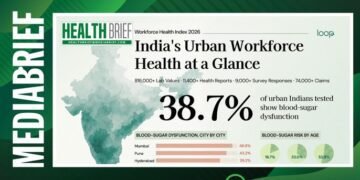
The scale of the issue is becoming increasingly difficult to ignore. Healthcare systems are witnessing a surge in patients with preventable conditions linked directly to diet. Alarmingly, younger demographics are now showing early signs of metabolic disorders, signalling a long-term burden that could strain both families and public health infrastructure. Experts emphasise that the normalization of ultra-processed foods as everyday staples is accelerating this trend, making intervention more urgent than ever.
Public health advocates are calling for a multi-pronged response to address the growing crisis. One critical step is improving awareness around nutrition, helping consumers make informed choices about what they eat. Clearer food labelling, stricter regulations on marketing—especially those targeting children—and policy measures to limit harmful ingredients are also being recommended. At the same time, there is a push to revive traditional dietary practices that prioritise fresh, balanced, and minimally processed foods.
Ultimately, the issue goes beyond individual responsibility and points to a broader systemic challenge. Food environments, advertising, and accessibility all shape consumption patterns, often nudging people toward unhealthy choices. Addressing this requires coordinated efforts from policymakers, industry stakeholders, and communities alike. Without timely and sustained action, the widespread reliance on ultra-processed foods could entrench a cycle of poor health outcomes, undermining the country’s long-term productivity and quality of life.