


















India’s food safety regulator, the Food Safety and Standards Authority of India (FSSAI), has prohibited the use of ashwagandha leaves and their extracts in nutraceuticals and health supplements, citing potential health risks. The move aims to tighten regulation in the fast-growing wellness industry and ensure consumer safety.
The regulator clarified that only the roots of ashwagandha and their extracts are permitted for use in such products. This clarification follows concerns raised by the Ministry of Ayush, which highlighted that some manufacturers were using leaves instead of the traditionally accepted root component.
Ashwagandha, a widely used herb in Ayurveda, is popular for its claimed benefits such as stress relief, improved stamina, and cognitive support. Its demand has grown significantly both in India and globally, especially in markets like North America and Europe, where it is commonly sold in forms such as capsules, powders, teas, and gummies.
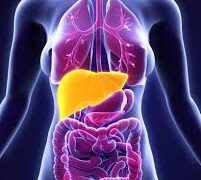
However, scientific findings have raised concerns about the safety of ashwagandha leaves. Studies indicate that the leaves contain higher concentrations of certain compounds, particularly withaferin-A, which may cause adverse effects. These include liver toxicity, digestive issues like vomiting and diarrhea, and possible neurotoxic effects. Due to these risks, regulators have decided to restrict their use in consumer products.
In an official communication dated April 16, FSSAI instructed state authorities and food safety commissioners to maintain strict vigilance and take action against companies that continue to use non-permitted parts of the plant. It warned that violations would lead to penalties under the Food Safety and Standards Act, 2006.
Additionally, manufacturers have been directed to clearly label the specific part of the plant used in their products. This is intended to improve transparency and help consumers make informed choices.
The decision could impact India’s rapidly expanding nutraceutical industry, which is valued at nearly $39 billion and expected to grow significantly in the coming years. Ashwagandha itself represents a sizable segment within this market, with rising demand driven by increasing interest in natural and herbal wellness products.
Despite the restriction, industry players have largely responded positively, stating that they support measures that enhance safety and regulatory clarity. Many companies have also emphasized that they already use approved plant parts and comply with existing guidelines.
Importantly, the directive is not a ban on ashwagandha as a whole, but a restriction on the use of its leaves. The root, which has a long history of safe use in traditional medicine, remains permitted.
Overall, the move is seen as a step toward stricter quality control and safer formulations in India’s wellness and supplement sector, ensuring that only scientifically validated and approved ingredients are used.