












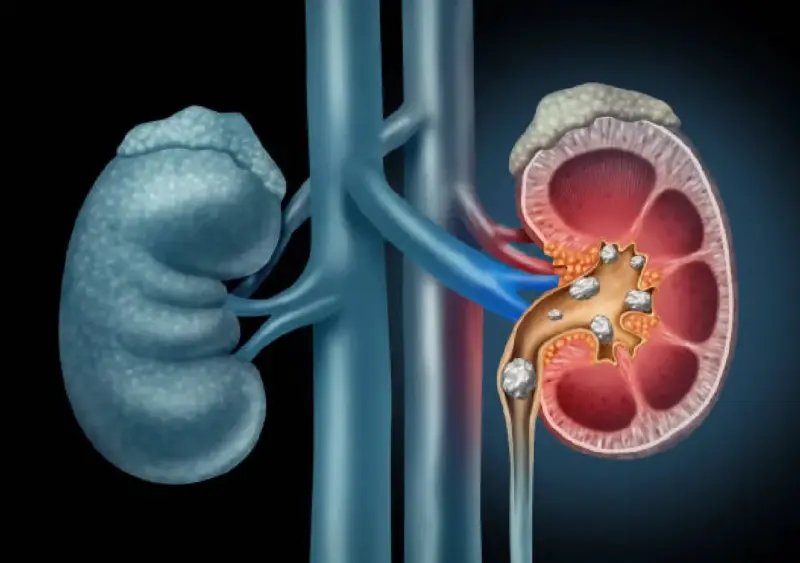
Doctors are cautioning people against believing that simply drinking more water is enough to prevent or treat kidney stones. While hydration remains one of the most important steps in maintaining kidney health, urologists say the issue is far more complex and depends on factors such as stone size, diet, metabolism, genetics, and overall lifestyle.
Kidney stones are hard mineral deposits that form inside the kidneys when substances such as calcium, oxalate, and uric acid become concentrated in urine. Doctors explain that dehydration increases the risk because low water intake leads to concentrated urine, allowing minerals to crystallise and form stones. However, experts stress that hydration alone does not guarantee prevention, especially for people who are already prone to recurrent stones.
According to urologists, drinking more water can help only in certain situations, particularly when kidney stones are very small. Increased urine flow may assist tiny stones, usually under 5 millimetres, in passing naturally through the urinary tract. But larger stones often require medication, shock-wave therapy, or minimally invasive procedures. Doctors warn that relying solely on water intake while ignoring symptoms can delay treatment and potentially damage the kidneys.
Recent studies have also questioned the idea that hydration by itself can fully prevent stone recurrence. Research published earlier this year found that even patients who significantly increased their fluid intake continued to experience kidney stones at rates similar to others. Experts say this does not mean hydration is useless, but rather that prevention requires a broader and more personalised approach.
Doctors recommend combining proper hydration with dietary and lifestyle changes. Reducing excessive salt intake, limiting processed foods, avoiding too much animal protein, and maintaining healthy calcium intake are considered important preventive measures. Certain foods high in oxalates, such as spinach, nuts, and beetroot, may also need moderation in people with calcium oxalate stones.
Experts also note that drinking too much water can sometimes be harmful. Excessive fluid intake may dilute sodium levels in the blood and lead to a condition known as hyponatremia. People with chronic kidney disease, heart failure, liver disorders, or hormonal conditions are often advised to follow medically supervised fluid limits instead of consuming excessive amounts of water.
Health professionals advise individuals to monitor warning signs such as severe back pain, fever, blood in urine, nausea, or difficulty urinating. Fever combined with kidney stone pain may indicate a serious infection requiring immediate medical attention. Urologists stress that delayed treatment in such cases can lead to complications including kidney damage or sepsis.
Doctors say the most effective strategy is maintaining balanced hydration throughout the day while following medical guidance tailored to the specific type of kidney stone. They encourage people with recurrent stones to undergo proper evaluation instead of depending solely on home remedies or general hydration advice.
Insights – Dr Amit Saple, Executive Director and Senior Consultant Urologist, Andrologist and Transplant Surgeon, Asian Institute of Nephrology and Urology, Vizag,