

















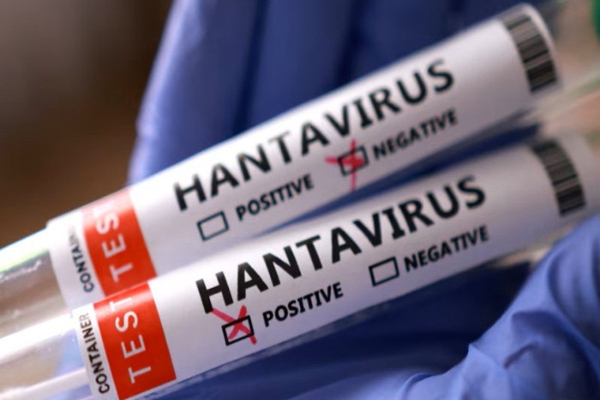
Thailand has officially classified hantavirus infection as a “dangerous communicable disease” amid rising international concern over recent outbreaks linked to the virus. The decision was approved by the country’s National Communicable Disease Committee (NCDC), allowing health authorities to implement stricter disease-control measures, including rapid reporting, quarantine protocols, and enhanced surveillance across the country.
Under the new rules issued by Thailand’s Ministry of Public Health, all suspected hantavirus cases must now be reported within three hours, while disease investigations must begin within 12 hours of detection. High-risk contacts may also face mandatory quarantine for up to 42 days to prevent possible spread. The move officially adds hantavirus infection as Thailand’s 14th dangerous communicable disease under the country’s Communicable Disease Act of 2015.
Thai health authorities said the decision was influenced by growing global concern over hantavirus infections, especially after a recent outbreak linked to a cruise ship in the Atlantic Ocean. According to the World Health Organization (WHO), several confirmed and suspected cases of the Andes strain of hantavirus were detected among passengers and crew aboard a cruise vessel, resulting in multiple deaths. WHO has stated that although the overall global risk remains low, some hantavirus strains have shown limited human-to-human transmission capability.
Thailand has so far not reported any confirmed domestic cases of hantavirus. However, the government has intensified health screening procedures at airports, seaports, and border checkpoints, especially for travellers arriving from high-risk regions. Public health officials have also instructed hospitals and provincial health offices nationwide to strengthen monitoring systems and maintain preparedness for potential imported cases.
Hantavirus is primarily a rodent-borne disease that spreads to humans through contact with infected rodents, their urine, saliva, or droppings. The virus can lead to serious illnesses such as Hantavirus Pulmonary Syndrome (HPS) and Hemorrhagic Fever with Renal Syndrome (HFRS). Symptoms may include fever, headache, muscle pain, breathing difficulties, abdominal pain, and kidney complications in severe cases. Health experts warn that early diagnosis and supportive medical care are critical because severe infections can become life-threatening.
Officials in Thailand have urged the public not to panic, emphasizing that hantavirus does not spread as easily between humans as common respiratory diseases. They also noted that no evidence currently suggests widespread community transmission within the country. Nevertheless, authorities believe stronger preventive measures are necessary due to the seriousness of the disease and the potential risk posed by international travel and imported infections.
The Thai government has also launched public awareness campaigns advising people to avoid direct contact with rodents and maintain clean living environments to reduce exposure risks. Enhanced sanitation, rodent control measures, and protective equipment for frontline workers are also being strengthened as part of the country’s elevated preparedness strategy.