
















India and the Netherlands have agreed to strengthen cooperation in healthcare, pharmaceuticals, and medical technology as part of a broader strategic partnership aimed at boosting innovation, improving healthcare access, and securing global medical supply chains. The move reflects growing collaboration between the two countries in areas such as digital healthcare, artificial intelligence, diagnostics, medical devices, and pharmaceutical manufacturing.
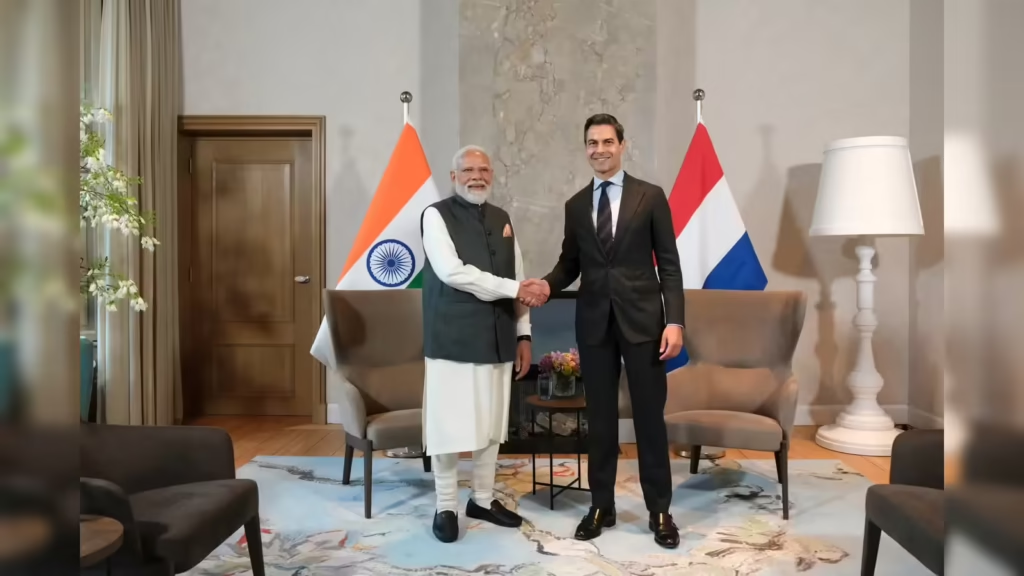
The partnership gained momentum during Prime Minister Narendra Modi’s recent visit to the Netherlands, where both countries elevated bilateral relations to a “strategic partnership” and signed multiple agreements covering healthcare, technology, trade, and research collaboration. Leaders from both nations stressed the importance of building resilient and sustainable healthcare systems in the aftermath of the COVID-19 pandemic and amid rising global concerns about supply chain disruptions.
Under the new healthcare cooperation framework, India and the Netherlands will work together on pharmaceuticals, medical devices, healthcare innovation, and regulatory cooperation. The two countries also plan to launch a Joint Working Group in 2026 to identify opportunities for academic partnerships, business engagement, technology transfer, and market access.
India’s pharmaceutical industry is considered one of the largest in the world, supplying affordable generic medicines and vaccines globally. The Netherlands, meanwhile, is known for its advanced life sciences ecosystem, strong research institutions, and expertise in medical technology and healthcare innovation. Officials from both countries believe this complementary strength can help create more secure and diversified healthcare supply chains while encouraging innovation in healthcare delivery.
A key focus area of the collaboration is medical technology, commonly known as MedTech. Recent innovation missions and meetings between Indian and Dutch organisations have explored opportunities in AI-driven diagnostics, wearable healthcare technology, digital health systems, remote patient monitoring, and medical imaging. Dutch agencies and healthcare institutions have expressed strong interest in India’s rapidly expanding healthcare market and growing digital infrastructure.
India’s MedTech sector is currently estimated to be worth between $16 billion and $20 billion and is projected to grow significantly by 2030. The country has over 10,000 health-tech and med-tech startups, supported by government initiatives such as the Ayushman Bharat Digital Mission, which aims to create a nationwide digital healthcare ecosystem. This large-scale infrastructure makes India an attractive destination for international healthcare partnerships and technology pilots.
Experts believe the collaboration could also support joint research and development, improve healthcare accessibility, and encourage manufacturing partnerships. India’s cost-efficient production capabilities combined with Dutch expertise in innovation and regulatory systems may create new opportunities for healthcare companies in both countries.
The partnership is also strategically important because many countries are now seeking to reduce dependence on a limited number of suppliers for medicines and medical devices. By working together, India and the Netherlands aim to create more stable and diversified supply networks capable of responding to future health emergencies and rising global demand for healthcare products.
Industry observers say the cooperation could accelerate technology exchange, attract investments, and help Indian and Dutch companies jointly develop innovative healthcare solutions for global markets.