
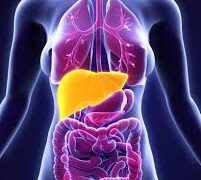





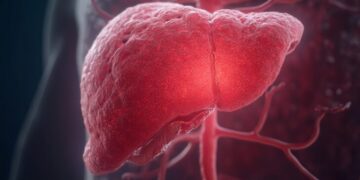












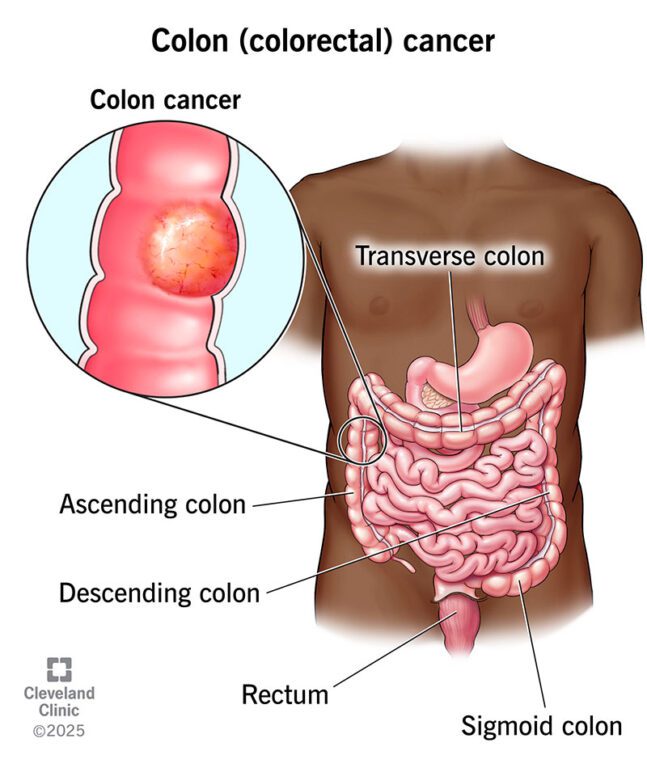
Scientists have uncovered a crucial biological mechanism that explains how colorectal cancer becomes more aggressive and spreads to other parts of the body, offering fresh hope for the development of therapies that could prevent cancer metastasis. The findings shed light on the process through which colon cancer cells change their identity, enabling them to travel through the bloodstream and establish new tumours, particularly in the liver, the most common site of colorectal cancer metastasis.
The study was conducted by researchers at Weill Cornell Medicine and the Massachusetts Institute of Technology (MIT). Their research identified a key molecular regulator known as GATA6, which plays a vital role in maintaining the normal identity of colon cells. When the activity of GATA6 declines, cancer cells undergo a dramatic transformation, losing their original characteristics and adopting a more primitive, fetal-like state that makes them highly adaptable and capable of spreading throughout the body.
Unlike traditional theories suggesting that cancer spreads mainly because of new genetic mutations, the researchers found that this transformation is driven largely by changes in gene regulation. In other words, cancer cells switch certain genes on or off without altering their underlying DNA sequence. This process allows tumour cells to become more flexible, survive in the bloodstream, and successfully colonise distant organs such as the liver.
The researchers observed that once cancer cells acquire this fetal-like identity, they gain enhanced mobility and resistance, making it easier for them to invade surrounding tissues and establish secondary tumours. Since metastasis is responsible for the vast majority of deaths associated with colorectal cancer, understanding this biological switch represents a significant advance in cancer research.
According to the research team, targeting the molecular pathways controlled by GATA6 could provide a new strategy for treating colorectal cancer. Instead of focusing only on destroying existing tumours, future therapies may aim to prevent cancer cells from changing their identity in the first place, thereby reducing their ability to spread. Such treatments could significantly improve survival rates among patients diagnosed with advanced stages of the disease.
Colorectal cancer is one of the most common cancers worldwide and remains a leading cause of cancer-related deaths. While advances in screening and treatment have improved outcomes for many patients, metastatic disease continues to pose a major challenge. The liver is the most frequent destination for colon cancer cells that spread beyond the intestine, making it a primary focus of research into preventing disease progression.
The findings also reinforce the growing understanding that cancer progression is influenced not only by permanent genetic mutations but also by reversible changes in how genes function. This opens new possibilities for precision medicine, where therapies could be designed to reverse harmful cellular changes before metastasis occurs. Although further clinical research is needed before the discovery can be translated into treatments, the study provides valuable insights into one of the deadliest aspects of colorectal cancer and may pave the way for more effective anti-metastatic therapies in the future.