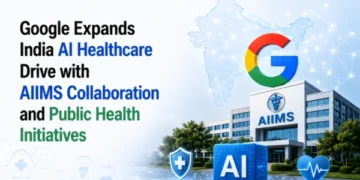



















India’s first Health AI Conclave brought together healthcare professionals, researchers, technology innovators, policymakers, and industry leaders in Bengaluru to explore how artificial intelligence is transforming the country’s healthcare landscape. The event served as a platform to discuss the growing role of AI in improving patient care, medical education, diagnostics, and clinical decision-making while highlighting the importance of ethical and responsible adoption.
The conclave featured a series of panel discussions, keynote sessions, and technology demonstrations focused on the practical applications of artificial intelligence in medicine. Experts showcased innovations ranging from AI-powered clinical assistants and digital pathology to personalised genomics, virtual surgical training, and smart health monitoring tools. Speakers agreed that AI has the potential to make healthcare more efficient, accessible, and patient-centric when combined with medical expertise.
Medical professionals stressed that artificial intelligence should function as a decision-support system rather than replace doctors. They noted that while AI can significantly enhance diagnostic accuracy, reduce administrative workload, and improve treatment planning, human judgment, empathy, and clinical experience remain indispensable in patient care. Maintaining transparency, accountability, and patient trust was identified as a key priority as AI adoption accelerates.
The discussions also highlighted the need to develop robust digital health infrastructure, improve data quality, and establish strong regulatory frameworks for the safe deployment of AI technologies. Participants emphasised that protecting patient privacy, ensuring cybersecurity, and reducing algorithmic bias are essential to building confidence in AI-enabled healthcare systems.
Another major theme of the conclave was collaboration between hospitals, academic institutions, technology companies, startups, and government agencies. Experts said partnerships across these sectors would be crucial for advancing research, validating AI-based medical tools, and expanding access to innovative healthcare solutions across urban and rural India.
The event also showcased how AI can support preventive healthcare through early disease detection, personalised treatment plans, predictive analytics, and remote patient monitoring. Participants observed that these technologies could help improve healthcare delivery, particularly in underserved regions where access to specialist medical services remains limited.
Concluding the discussions, speakers expressed optimism that India is well-positioned to become a global leader in healthcare innovation by combining its expanding digital ecosystem with advances in artificial intelligence. They called for continued investment in research, skill development, and responsible AI implementation to ensure that emerging technologies complement healthcare professionals and improve patient outcomes across the country.