















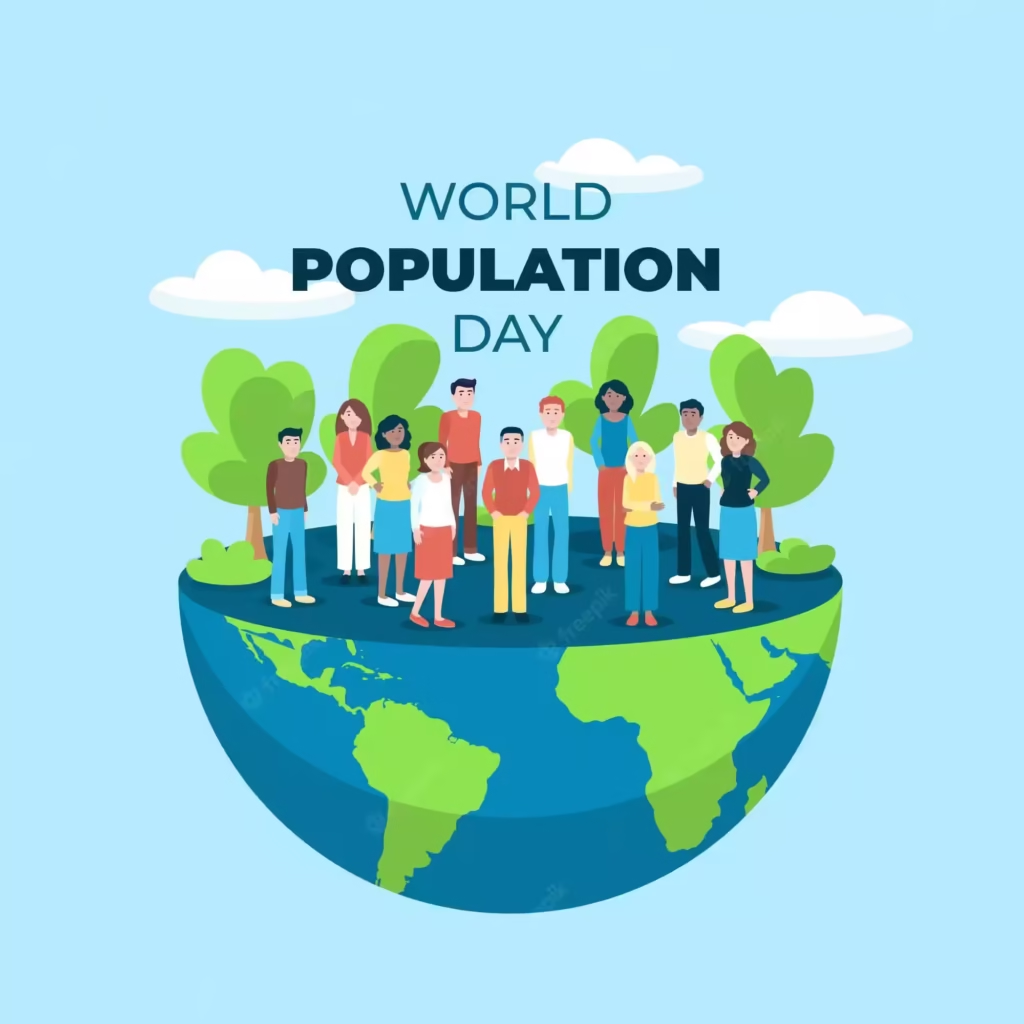
World Population Day is observed every year on July 11 to raise awareness about global population issues and their impact on sustainable development, healthcare, education, gender equality, and human rights. Established by the United Nations in 1989, the annual observance encourages governments, institutions, and communities to address demographic challenges while ensuring that every individual has access to opportunities for a healthy and dignified life.
The 2026 theme, “Realizing the hopes and aspirations of young people – today and for the future,” highlights the importance of investing in young people’s education, healthcare, reproductive rights, and economic opportunities. The theme reflects the findings of the UNFPA Demographic Futures Survey and calls on policymakers to create an environment where young people can make informed choices about their future and contribute meaningfully to society.
The origins of World Population Day trace back to July 11, 1987, when the global population was estimated to have reached five billion, an event known as the “Day of Five Billion.” The milestone drew worldwide attention to the challenges associated with rapid population growth. In response, the United Nations Development Programme (UNDP) recommended establishing World Population Day, which was first observed in 1990 and has since become a major global awareness campaign.
This year’s observance comes as the world’s population is estimated to have crossed 8.3 billion, bringing renewed focus to issues such as access to quality healthcare, family planning, maternal health, employment, education, urbanisation, climate resilience, and sustainable resource management. Experts believe that balanced population policies should prioritise human rights, gender equality, and inclusive development rather than population numbers alone.
Governments, educational institutions, healthcare organisations, and civil society groups mark the day through awareness campaigns, seminars, community outreach programmes, and discussions on reproductive health, women’s empowerment, and youth participation in development. These initiatives aim to encourage informed decision-making and strengthen policies that improve quality of life for present and future generations.
World Population Day serves as a reminder that population trends influence economic growth, environmental sustainability, and social development. By empowering young people and ensuring equitable access to healthcare, education, and opportunities, countries can harness their demographic potential while building resilient and inclusive societies. The 2026 theme reinforces the need to place young people’s aspirations at the centre of development strategies, recognising them as key drivers of a sustainable future.