













Observed on April 24, 2026, World Women’s Wellness Day serves as a reminder for women to prioritise both physical and mental well-being while managing daily responsibilities. The occasion encourages awareness about lifestyle habits, preventive care, and early diagnosis, which are crucial for maintaining long-term health. Experts stress that understanding common health risks can help women take timely action and make informed decisions about their well-being.
One of the most serious concerns is heart disease, which remains the leading cause of death among women. Unlike men, women may experience less obvious symptoms such as nausea, fatigue, or shortness of breath instead of typical chest pain. Hormonal changes after menopause further increase risks like high blood pressure and cholesterol, making regular health check-ups essential.
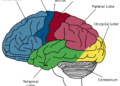
Stroke is another major threat, affecting women at higher rates than men. It can occur due to blocked blood flow or bleeding in the brain. Warning signs include numbness, difficulty speaking, and weakness in limbs. Certain pregnancy-related conditions, such as preeclampsia, can elevate the risk, highlighting the importance of monitoring health during and after pregnancy.
Diabetes is also a significant issue, as it increases the likelihood of heart disease and other complications like kidney damage, vision loss, and mental health concerns. Women may develop gestational diabetes during pregnancy, which requires careful monitoring to avoid risks for both mother and child.
Maternal health plays a critical role in overall wellness. Conditions such as anemia and high blood pressure can arise during pregnancy, making proper nutrition, physical activity, and regular medical care essential. Preconception planning is especially important for women with existing health conditions to ensure safer outcomes.
Urinary tract infections (UTIs) are another common concern due to biological factors that make women more susceptible. Symptoms like burning during urination and frequent urges can disrupt daily life. While some cases resolve quickly, others may require medical treatment, especially if they recur frequently.
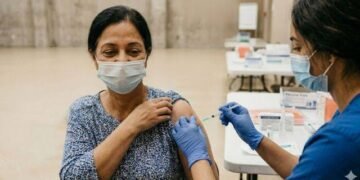
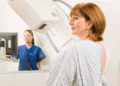
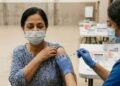
Human papillomavirus (HPV) is a widespread infection that can lead to cervical cancer if left unchecked. Preventive measures such as vaccination and regular screenings like Pap tests are key to reducing risk and ensuring early detection.
Osteoporosis is another condition that disproportionately affects women, particularly after menopause. It weakens bones, increasing the risk of fractures. Adequate calcium intake, physical activity, and early screening can help manage and prevent the condition.
Lastly, Alzheimer’s disease is a growing concern, with women being more vulnerable than men. Memory loss and cognitive decline can significantly impact quality of life, making awareness, early diagnosis, and supportive care essential.
Overall, World Women’s Wellness Day emphasises that awareness is the first step toward better health. By recognising these major concerns and adopting healthier lifestyles, women can improve their quality of life and reduce long-term health risks. Regular screenings, balanced nutrition, stress management, and timely medical care remain key pillars of women’s wellness.