

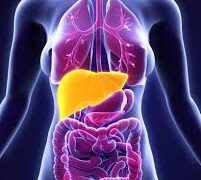
















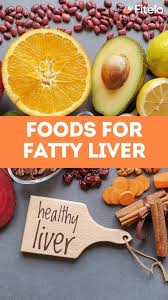
A recent study has highlighted a potential connection between daily orange consumption and changes in lipid metabolism among individuals with fatty liver disease, offering new insights into how simple dietary choices might influence liver health.
The research focused on people with metabolic dysfunction-associated steatotic liver disease (MASLD), a condition commonly linked to obesity, diabetes, and metabolic syndrome. In this clinical trial, participants were asked to consume about 400 grams of whole “Navelina” oranges daily—roughly equivalent to three to four oranges—over a period of four weeks.
The findings revealed that regular orange intake led to modest shifts in lipid profiles, which are crucial indicators of fat metabolism in the body. Specifically, there was a trend toward reduced total cholesterol and low-density lipoprotein (LDL), along with a slight increase in high-density lipoprotein (HDL), often referred to as “good cholesterol.” However, these changes were not statistically significant, meaning they suggest a possible pattern but do not provide definitive proof.
Researchers also observed subtle changes in fatty acid composition. A reduction in arachidonic acid levels and its ratio with eicosapentaenoic acid indicated a shift toward a more anti-inflammatory profile. This is important because chronic inflammation plays a major role in the progression of fatty liver disease. Despite these promising signals, the study emphasized that the results are preliminary and require further validation.
In addition to lipid-related findings, earlier analyses from the same trial suggested that orange consumption may reduce liver fat accumulation. After four weeks, the prevalence of liver steatosis dropped significantly in the group consuming oranges compared to the control group. This improvement occurred without any noticeable changes in body weight, calorie intake, or most metabolic markers, pointing to a direct effect of compounds found in oranges rather than overall dietary changes.
Scientists attribute these potential benefits to the rich presence of bioactive compounds in oranges, particularly flavonoids and antioxidants such as vitamin C. These substances are known to influence lipid metabolism, reduce oxidative stress, and improve liver function. Such mechanisms may help prevent fat buildup in liver cells and support overall metabolic health.
However, experts caution against overinterpreting the results. The study had a relatively small sample size and short duration, which limits the strength of its conclusions. While trends in lipid improvement were observed, the lack of statistically significant changes means that oranges cannot yet be considered a standalone treatment for fatty liver disease.
Overall, the findings suggest that incorporating whole oranges into the diet may offer supportive benefits for individuals with fatty liver disease, particularly in improving lipid patterns and reducing inflammation. Still, researchers stress the need for larger, long-term studies to confirm these effects and better understand the role of citrus fruits in managing liver-related conditions.