








Hypertension, commonly known as high blood pressure, is increasingly affecting individuals in their 30s, often without obvious warning signs. Health experts describe it as a “silent killer” because symptoms are either mild or completely absent until the condition progresses to a serious stage. In India, studies suggest that nearly one in four adults may experience hypertension at some point, making early awareness and detection essential.
One of the biggest challenges with hypertension is that its symptoms can easily be mistaken for everyday stress or fatigue. Many people in their 30s lead fast-paced lives, juggling work pressure, irregular sleep, and poor dietary habits, which can mask early warning signals. As a result, individuals often ignore subtle physical changes that may indicate rising blood pressure levels.
Among the commonly overlooked signs are frequent headaches or a persistent feeling of pressure in the head, particularly in the morning. While many dismiss this as stress-related, it can sometimes be linked to elevated blood pressure. Similarly, unexplained fatigue or constant tiredness—even after adequate rest—may point to an underlying issue that requires medical attention.
Dizziness or light-headedness is another symptom that people tend to ignore. Experiencing this sensation regularly, especially when standing up quickly, could be associated with blood pressure fluctuations. Shortness of breath during routine activities, such as climbing stairs, is also a potential red flag. In some cases, it may indicate that high blood pressure is affecting lung function or overall cardiovascular health.
Vision-related problems can also serve as an early indicator. Blurred vision or eye strain may occur when high blood pressure damages the small blood vessels in the eyes. Additionally, chest discomfort or irregular heartbeats (palpitations) should not be taken lightly, as they may signal more advanced complications linked to hypertension.
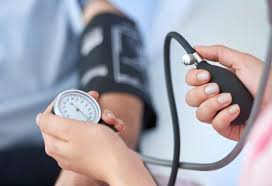
Despite these signs, hypertension often goes unnoticed because it does not always cause pain or severe discomfort. In many cases, individuals remain unaware of the condition until it is detected during a routine health check-up or after a serious complication arises. This is why regular monitoring of blood pressure is strongly recommended, even for people in their 20s and 30s.
Several lifestyle factors contribute to the growing incidence of hypertension among younger adults. High salt intake, consumption of processed foods, lack of physical activity, chronic stress, poor sleep quality, smoking, and alcohol consumption are all known risk factors. Genetic predisposition and family history can further increase vulnerability.
Preventing hypertension requires a proactive approach. Experts recommend regular exercise, a balanced diet low in salt and processed foods, stress management, and adequate sleep. Routine medical check-ups play a critical role in early detection, allowing timely intervention before complications such as heart disease, stroke, or kidney damage develop.
Ultimately, understanding and recognising these silent signs can make a significant difference. While hypertension may not always present clear symptoms, paying attention to subtle changes in the body and adopting healthier lifestyle habits can help individuals protect their long-term health and well-being.