
















A recent national analysis has raised concerns about the growing prevalence of obesity among school children in India, revealing that nearly one in 14 children is now obese. The findings point to a worrying trend where unhealthy weight is becoming increasingly common at a young age, signaling potential long-term health risks for the country’s future population.
The study, published in the Indian Journal of Community Medicine, examined data collected from 125 studies conducted between 1995 and 2023. Researchers from the ICMR-National Institute of Traditional Medicine, along with collaborators from India and the United Kingdom, contributed to the analysis. Their findings indicate that about 7% of school-going children across the country are affected by obesity, with the numbers steadily rising over the years.
One of the key highlights of the report is the regional variation in obesity rates. Northern India recorded the highest prevalence among children, making it the most affected region in the country. This geographical disparity suggests that factors such as lifestyle, dietary habits, urbanisation, and socioeconomic conditions may be influencing the rise in obesity differently across regions.
Health experts warn that childhood obesity is not just a cosmetic concern but a serious medical issue. Excess weight at an early age is strongly linked to a higher risk of developing non-communicable diseases such as type 2 diabetes, cardiovascular conditions, and metabolic disorders later in life. With obesity appearing earlier, these health complications are also likely to emerge sooner, increasing the overall disease burden.
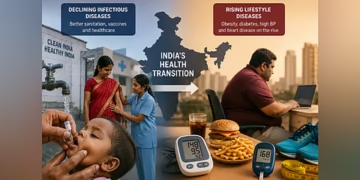
India is already witnessing a broader surge in obesity across age groups. According to global estimates, the country ranks among those with the highest number of overweight and obese children, with millions affected nationwide. This trend reflects changing lifestyles, including reduced physical activity, increased screen time, and greater consumption of processed and high-calorie foods.
Experts highlight that urbanisation and modern living patterns are key contributors to this rise. Children today are more likely to lead sedentary lives, spending less time outdoors and more time engaged with digital devices. In addition, easy access to unhealthy food options and lack of awareness about balanced nutrition further aggravate the problem.
The increasing prevalence of obesity among children underscores the need for urgent intervention. Public health strategies must focus on promoting healthier eating habits, encouraging regular physical activity, and raising awareness among parents, schools, and communities. Early prevention is crucial, as obesity in childhood often continues into adulthood and becomes harder to reverse over time.
The study serves as a wake-up call for policymakers and healthcare providers to prioritise child health. Without timely action, the rising trend of childhood obesity could lead to a significant increase in chronic diseases in the coming decades, placing additional strain on India’s healthcare system.
Overall, the findings highlight a growing public health challenge that requires coordinated efforts at multiple levels. Addressing childhood obesity early can help ensure healthier future generations and reduce the long-term impact of lifestyle-related diseases in India.