

















A new report by the World Economic Forum has highlighted the strong connection between women’s health and India’s long-term economic progress. The report, titled “CARE: Closing the Women’s Health Gap,” argues that improving healthcare access and outcomes for women could significantly strengthen productivity, workforce participation, and national economic growth.
According to the study, women across the world spend nearly 25% more of their lives in poor health compared to men. Experts say this gap is not only due to biological differences but also because of unequal access to healthcare, insufficient research on women-specific diseases, and limited policy attention.
The report estimates that closing the women’s health gap could contribute nearly one trillion dollars annually to the global economy by 2040. In India, better healthcare for women is expected to improve labour force participation, reduce productivity losses, and create stronger economic outcomes for families and communities.
The CARE framework outlined in the report focuses on four major pillars: Clinical Research, Access to Care, Research and Development Funding, and Economics and Policy. The report points out that medical studies and treatment models have historically been centred on male physiology, leading to delayed diagnosis and inadequate care for women in many cases.
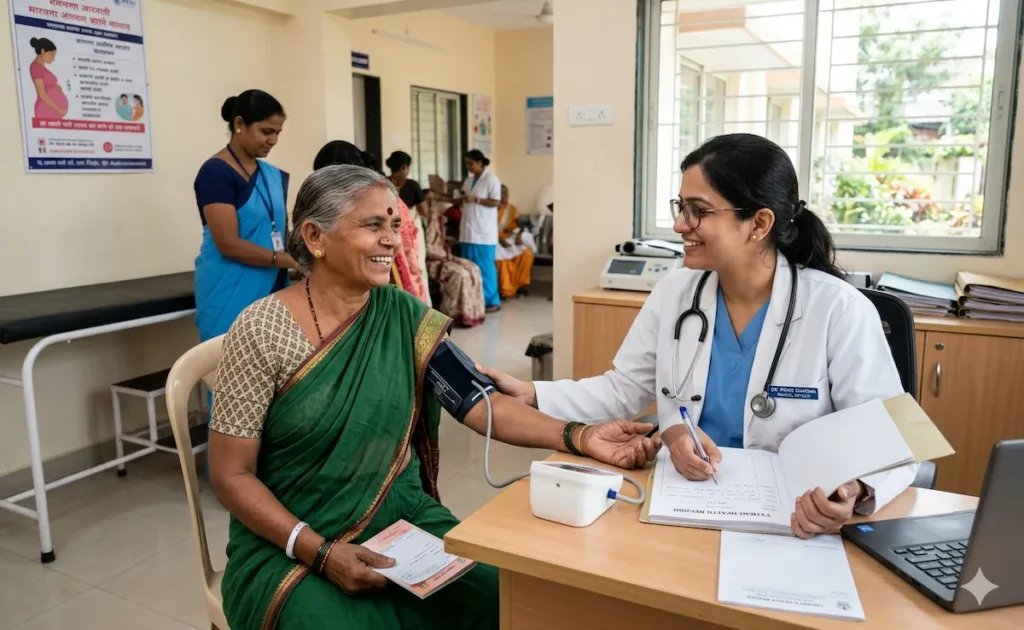
Access to healthcare remains another major concern, especially in rural and underserved regions. Social stigma, transportation barriers, lack of awareness, and financial limitations often prevent women from seeking timely treatment. Experts say these challenges continue to affect millions of women across India.
The report also stresses the need for higher investment in women-focused medical research and innovation. Areas such as reproductive health, menopause, maternal care, endometriosis, and preventive healthcare receive only a small share of global research funding. The study recommends greater government and private-sector support for “FemTech” and women-centric healthcare innovation.
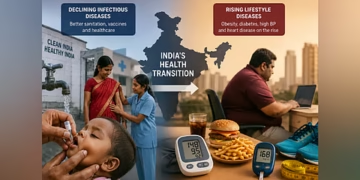
Another key concern highlighted is the growing burden of non-communicable diseases among Indian women. Conditions such as anaemia, cardiovascular disease, breast cancer, cervical cancer, and mental health disorders are increasingly affecting women’s well-being and economic participation. The report argues that women’s health policies should move beyond maternal healthcare alone and adopt a broader, life-cycle approach.
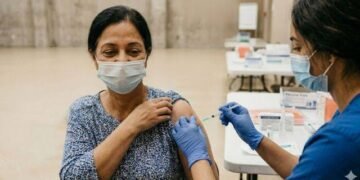
Healthcare experts at the forum also underlined the importance of affordable and accessible healthcare services. They said innovations in diagnostics, vaccines, artificial intelligence, and preventive care must reach women across all income groups to create meaningful impact.
The findings align with broader concerns about gender inequality in India. Previous reports by the World Economic Forum have shown that India continues to face challenges in economic participation, healthcare access, and gender parity despite improvements in education.
The report concludes that women’s health should no longer be viewed only as a social welfare issue. Instead, it should be recognised as a major economic priority capable of influencing national growth, workforce productivity, and long-term development.