


















A growing body of research is raising concerns about the health impact of common food preservatives widely used in processed and packaged foods. Scientists say several preservatives found in everyday products such as processed meats, packaged snacks, sauces, ready-to-eat meals, and soft drinks may increase the risk of cardiovascular disease and other chronic illnesses when consumed frequently over long periods.
According to recent studies, preservatives used to extend shelf life and maintain food quality could contribute to inflammation, metabolic disorders, high blood pressure, and poor heart health. Researchers explain that many ultra-processed foods contain combinations of additives, sodium, unhealthy fats, and artificial compounds that may negatively affect the cardiovascular system.
A major French study involving more than 100,000 participants examined the relationship between preservative intake and chronic diseases. Scientists found that people consuming higher amounts of certain preservatives had a significantly greater risk of developing health problems such as type 2 diabetes and cardiovascular conditions. Overall preservative consumption was associated with up to a 47 percent higher risk of type 2 diabetes, which itself is a major contributor to heart disease.
Researchers identified several preservatives that may be linked to health risks. These included potassium sorbate, sodium nitrite, potassium metabisulphite, calcium propionate, phosphoric acid, citric acid, and sodium acetates. Many of these additives are commonly used in processed meat products, packaged bakery items, preserved beverages, and convenience foods.
Experts say one of the main concerns is that preservatives may promote chronic inflammation and oxidative stress inside the body. Over time, this can damage blood vessels, increase cholesterol buildup, and raise blood pressure, all of which are major risk factors for cardiovascular disease. Some preservatives may also interfere with gut bacteria and metabolic functions that help regulate heart health.
Ultra-processed foods themselves are increasingly being linked to heart-related complications. Studies show that adults consuming the highest levels of ultra-processed foods face a higher risk of heart disease, atrial fibrillation, stroke, and cardiovascular-related deaths. Researchers believe additives and preservatives may play an important role in this association.
Processed meats containing preservatives such as sodium nitrite and nitrates have attracted particular concern among health experts. These compounds are used to improve colour and prevent bacterial growth, but studies suggest they may contribute to inflammation and vascular damage when consumed excessively.
Scientists caution that the studies currently show associations rather than direct proof that preservatives alone cause heart disease. Lifestyle habits such as poor diet, smoking, obesity, lack of exercise, and stress also play important roles in cardiovascular health. However, researchers believe the findings are strong enough to encourage people to reduce their intake of heavily processed foods.
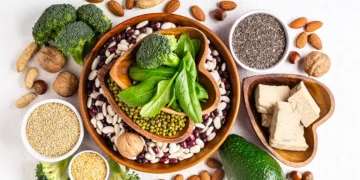
Health professionals recommend choosing fresh and minimally processed foods whenever possible. Diets rich in fruits, vegetables, whole grains, nuts, lean proteins, and healthy fats are consistently associated with lower cardiovascular risk. Experts also advise reading ingredient labels carefully and limiting foods with long lists of artificial additives and preservatives.
Researchers say more long-term studies are needed to fully understand how specific preservatives affect the human body. Still, the latest findings add to growing evidence that modern dietary patterns dominated by ultra-processed foods may be contributing to the global rise in heart disease and metabolic disorders.