














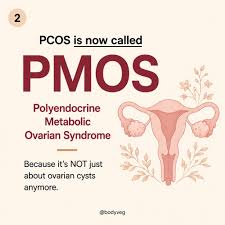
Medical experts are stressing the need for an integrated and lifelong healthcare approach for women living with Polyendocrine Metabolic Ovarian Syndrome, recently renamed from Polycystic Ovary Syndrome (PCOS). Researchers say the condition affects far more than reproductive health and requires ongoing management throughout a woman’s life.
The condition, now referred to as PMOS, is characterised by a combination of hormonal imbalance, metabolic dysfunction, insulin resistance, and chronic inflammation. Experts explain that the older name, PCOS, often created confusion because it focused mainly on ovarian cysts, despite the disorder affecting multiple systems in the body. The new terminology aims to better represent the complexity of the disease and improve awareness among both patients and healthcare professionals.
According to specialists, PMOS can begin during adolescence and continue well beyond menopause. Symptoms commonly include irregular menstrual cycles, infertility, acne, weight gain, excessive facial hair, fatigue, and mental health challenges such as anxiety and depression. However, doctors warn that the syndrome is also linked to long-term risks including type 2 diabetes, cardiovascular disease, sleep disorders, and obesity.
Healthcare professionals believe that treatment should no longer focus only on fertility or menstrual symptoms. Instead, women with PMOS may benefit from coordinated care involving endocrinologists, gynecologists, nutritionists, mental health experts, dermatologists, and fitness specialists. Researchers say such multidisciplinary support can help manage the condition more effectively and reduce complications later in life.
Experts also note that many women experience delayed diagnosis because the condition presents differently in each patient. Some may struggle primarily with infertility, while others face metabolic or psychological symptoms. This variation often leads to fragmented treatment and confusion regarding the best course of care. The newly adopted name is expected to encourage broader understanding of the disorder and promote more personalised treatment strategies.
A major concern highlighted by researchers is the lack of continuous monitoring after reproductive years. Many women stop receiving treatment once fertility concerns are addressed, even though metabolic and cardiovascular risks can continue to increase with age. Experts therefore recommend regular health screenings, including blood sugar monitoring, cholesterol checks, weight management assessments, and mental health evaluations throughout adulthood.
Lifestyle changes remain one of the most important aspects of PMOS management. Doctors recommend balanced nutrition, regular physical activity, stress reduction, and adequate sleep to help regulate hormones and improve insulin sensitivity. In some cases, medications may also be prescribed to manage symptoms such as irregular periods, diabetes risk, or hormonal imbalance.
The global renaming initiative involved more than 50 medical and patient organisations over a period of 14 years. Researchers hope that recognising PMOS as a lifelong endocrine and metabolic disorder will reduce stigma, improve diagnosis rates, and encourage governments and healthcare systems to provide better long-term support for affected women worldwide.