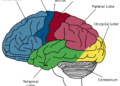





















Chewing food properly is more than just a digestion habit — experts say it may also help stimulate the brain and improve alertness. Health specialists explain that the simple act of chewing activates several muscles and nerves connected to the brain, which can influence concentration, focus, and overall mental performance.
According to nutrition and health experts, digestion begins in the mouth, not the stomach. When food is chewed thoroughly, it mixes with saliva that contains digestive enzymes. This process breaks food into smaller particles, making it easier for the body to absorb nutrients efficiently. However, researchers also point out that chewing may have cognitive benefits beyond digestion.
Studies on chewing gum and mastication have shown that repetitive chewing motions can increase blood flow to certain areas of the brain, particularly regions linked with attention and alertness. Experts believe this rise in circulation may temporarily enhance concentration and mental sharpness. Some researchers have even observed that chewing can help people stay attentive during long or repetitive tasks.
Health professionals note that chewing also activates sensory nerves and facial muscles, sending signals to the brain that may support wakefulness. This is why some people instinctively chew gum while studying, driving, or working for long hours. While chewing is not a replacement for sleep or proper nutrition, experts say it can offer a short-term mental boost.
Another important aspect is mindful eating. Eating slowly and chewing food properly gives the brain enough time to recognise feelings of fullness. Experts explain that the brain usually takes around 20 minutes to receive signals that the stomach is satisfied. Fast eating may interfere with this process and lead to overeating, bloating, or digestive discomfort.
Nutritionists also highlight that thorough chewing can reduce stress on the digestive system. Large food particles are harder for the stomach to process, which may contribute to acidity, indigestion, gas, and bloating. Proper chewing supports smoother digestion and better nutrient absorption, which indirectly benefits overall energy and brain health.
Experts clarify that there is no fixed number of times food must be chewed, despite the popular “32 times” rule. The general recommendation is to chew until the food becomes soft and easy to swallow. Softer foods require fewer chews, while harder foods need more.
Researchers continue to study the exact relationship between chewing and brain function, but current findings suggest that mindful chewing may positively influence attention, alertness, digestion, and stress levels. Specialists encourage people to slow down during meals and avoid rushing through food, as this simple habit may support both physical and mental well-being.