







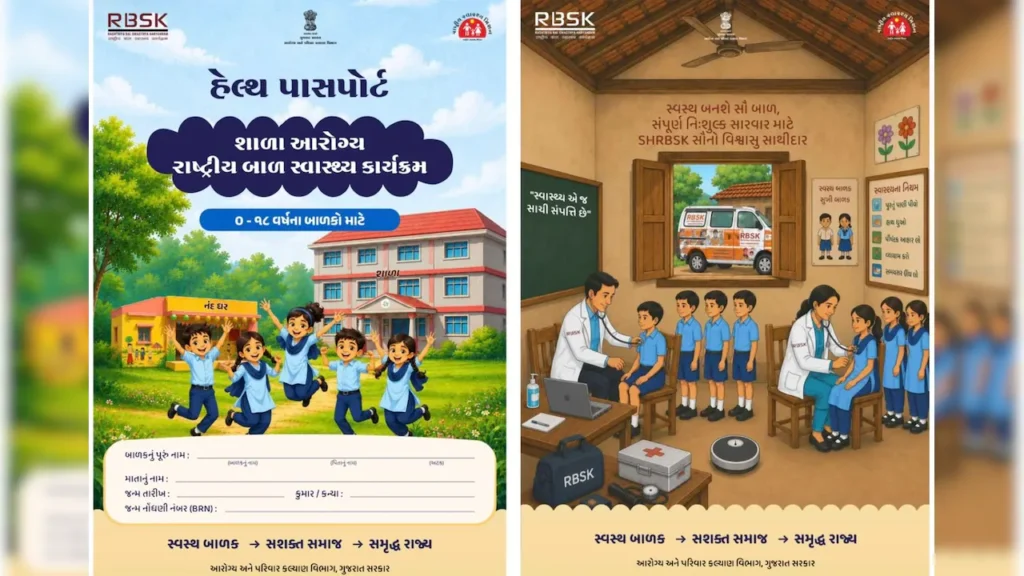
The Gujarat government has launched a first-of-its-kind Health Passport initiative to create comprehensive health records for nearly 1.89 crore children from birth to 18 years of age. Introduced under the School Health–Rashtriya Bal Swasthya Karyakram (SH-RBSK), the programme aims to improve preventive healthcare by providing every child with a portable and continuously updated medical record that can be used throughout childhood.
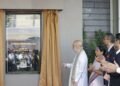
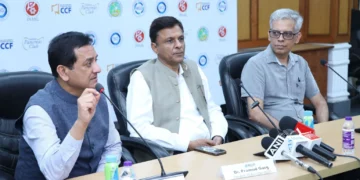
The statewide initiative was launched on June 27 in the presence of Union Home and Cooperation Minister Amit Shah and Gujarat Chief Minister Bhupendra Patel. The government said the Health Passport is designed to strengthen child healthcare by ensuring that parents, healthcare providers and educational institutions have easy access to a child’s complete health history.
Under the SH-RBSK programme, around 992 mobile health teams conduct annual health screenings for children across Gujarat. Although these records have traditionally been stored on a digital portal, parents often lacked a readily accessible document during medical consultations or follow-up treatments. The Health Passport bridges this gap by combining physical and digital records into a single, structured system that accompanies children through every stage of their development.
The passport will include basic personal details along with a complete record of age-specific health check-ups conducted from birth until the age of 18. It will also monitor the four key health categories covered under SH-RBSK—Defects at Birth, Deficiencies, Childhood Diseases, and Developmental Delays and Disabilities (4Ds). In addition, the document will record physical and mental growth, nutritional status, referral services, lifestyle guidance, health counselling and emergency contact information, providing families with a single reference for all essential health-related information.
Obtaining the Health Passport has been designed to be simple and convenient. Parents are not required to submit additional documentation. Health screenings will be carried out by SH-RBSK mobile teams at Anganwadis, schools, madrasas, gurukuls and special schools. Once the child’s details are uploaded to the digital platform after screening, the Health Passport will be issued immediately at the screening location.
The renewal process has also been streamlined. For children below the age of five and those not enrolled in schools, annual renewal will be handled by the Medical Officer of the respective Primary Health Centre. For school-going children, the responsibility for renewing the passport each year will rest with the school principal, ensuring that health records remain current throughout the child’s education.
A key feature of the initiative is its seamless digital integration. While the physical Health Passport will remain with parents, all information will be synchronised with the SH-RBSK digital portal, allowing healthcare providers to maintain accurate and updated records. If the physical passport is misplaced or damaged, a replacement can be obtained through the mobile health teams without losing any medical information.
The Gujarat government believes the Health Passport will encourage greater parental involvement in children’s healthcare while improving continuity of medical care across different healthcare settings. By combining regular health screenings with an easily accessible lifelong health record, the initiative aims to strengthen early disease detection, monitor child development more effectively and build a stronger preventive healthcare system. Covering nearly 1.89 crore children across the state, the programme marks a significant step toward enhancing child health services through technology-enabled, family-centric healthcare management.