











Social media is flooded with wellness trends promising to improve women’s hormonal health, from seed cycling and detox drinks to herbal supplements and hormone-balancing diets. While many of these practices have gained popularity through influencers and wellness communities, gynaecologists caution that scientific evidence supporting most of these claims remains limited. Experts advise women to distinguish between nutritional habits that support overall health and treatments that have been clinically proven to manage hormonal disorders.
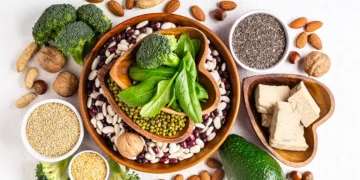
One of the most widely discussed trends is seed cycling, which involves consuming specific seeds during different phases of the menstrual cycle. Typically, flaxseed and pumpkin seeds are eaten during the follicular phase, while sesame and sunflower seeds are consumed during the luteal phase. Advocates claim that this approach helps regulate oestrogen and progesterone levels, easing symptoms such as irregular periods, premenstrual syndrome (PMS), acne, and polycystic ovary syndrome (PCOS).
According to gynaecologists, although these seeds are rich in nutrients such as fibre, healthy fats, zinc, vitamin E, selenium, and lignans, there is insufficient high-quality clinical evidence to confirm that eating them according to menstrual phases directly balances hormones. The nutritional benefits of these foods are well established, but experts say they should not be viewed as a replacement for evidence-based medical treatment for hormonal conditions.
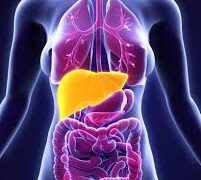
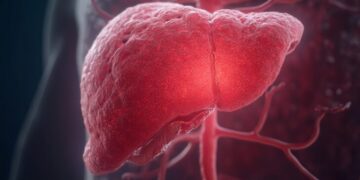
Detox drinks are another popular trend promoted as a way to “cleanse” the body and restore hormonal balance. Health experts stress that the human body already has highly efficient detoxification systems, primarily the liver and kidneys, which continuously remove waste products and toxins. There is little scientific evidence to show that juices, herbal concoctions, or detox beverages can significantly improve hormone levels or eliminate toxins beyond the body’s natural processes. Instead, excessive reliance on restrictive detox diets may lead to nutritional deficiencies if followed for extended periods.
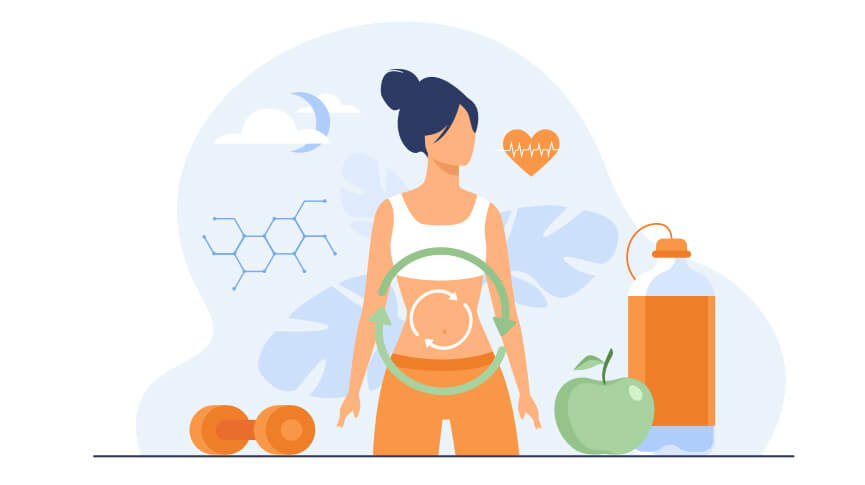
Doctors emphasise that hormonal health is influenced by a combination of factors, including genetics, nutrition, physical activity, sleep quality, stress levels, body weight, and underlying medical conditions. Sustainable lifestyle habits such as eating a balanced diet, exercising regularly, managing stress, and getting adequate sleep have far stronger scientific support than most viral wellness trends. When hormonal symptoms persist, proper medical evaluation is essential to identify conditions such as PCOS, thyroid disorders, endometriosis, or other reproductive health issues.
Experts also warn against self-diagnosing hormonal imbalances based solely on social media content. Symptoms such as irregular periods, severe menstrual pain, excessive hair loss, persistent acne, infertility, or unexplained weight changes may indicate underlying medical conditions that require professional diagnosis and treatment. Delaying medical care while relying exclusively on internet-based wellness advice can allow these conditions to worsen.
Nutrition continues to play an important role in women’s health. Including whole grains, fruits, vegetables, legumes, nuts, seeds, lean proteins, and healthy fats in the diet supports overall metabolic and reproductive health. Foods like flaxseeds, pumpkin seeds, sunflower seeds, and sesame seeds can be valuable additions because of their nutrient content, even if their hormone-balancing effects have not been conclusively proven.
Healthcare professionals believe that while wellness trends may encourage healthier eating habits, they should be approached with realistic expectations. Natural foods can support general well-being, but they are not miracle cures for hormonal disorders. Women experiencing persistent hormonal symptoms are encouraged to seek guidance from qualified healthcare providers, who can recommend evidence-based treatments tailored to their individual health needs.