













A new study of 218 adults recovering from mild traumatic brain injury has found that most post-traumatic headaches resemble migraine, while commonly used treatments often provide limited relief. The findings highlight the need for personalised treatment based on patients’ symptoms and headache patterns.

Study Highlights Need for Targeted Headache Care After Concussions
Post-traumatic headaches may require more specialised treatment than standard pain-relief medicines, according to a cross-sectional investigation involving 218 adults recovering from mild traumatic brain injury. The study examined patients two to four months after head trauma who experienced moderate to severe headaches and significant concussion-related symptoms.
The research found that 88% of participants experienced migraine-like or probable migraine-like headaches, with migraine without aura accounting for 38% of cases. Researchers reported that headache patterns remained largely similar among patients with symptoms lasting less than three months and those experiencing persistent headaches beyond three months.
The findings suggest that post-traumatic headaches can share characteristics with primary migraine disorders, highlighting the importance of identifying individual clinical patterns when planning treatment.
Despite the migraine-like features, many patients reported symptoms that are not traditionally associated with migraine alone. Around 85% described their pain as pressing or tightening, while 89% experienced headaches on both sides of the head. In addition, 78% reported at least 15 headache days each month, and 94% experienced moderate to severe pain.
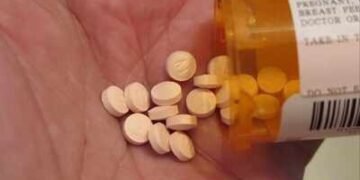
The study also identified concerns about current treatment practices. Although 88% of patients had used non-opioid painkillers, more than half reported little benefit. Approximately 27% met the criteria for probable medication-overuse headache, largely linked to frequent use of over-the-counter pain medicines.
Meanwhile, migraine-specific treatments were rarely prescribed. Only 4% of participants received triptans, but 75% of those patients reported a positive response. Preventive medications were prescribed to just 7% of participants, with limited effectiveness reported across several drug categories.
Physical therapy also produced mixed results, with two-thirds of patients who sought treatment reporting no meaningful improvement.
The researchers’ findings point to the importance of early, symptom-specific care, careful medication management and screening for medication overuse in people recovering from concussion.
For more health-related news