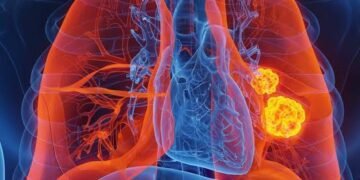

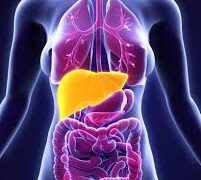




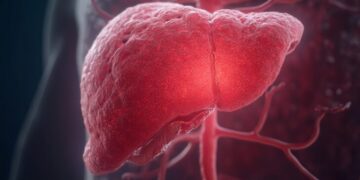









A nationwide Danish study has found that adults who received liver transplants had poorer lung function and more breathing difficulties than people of the same age and sex who did not undergo transplantation.
Researchers compared 512 adult liver transplant recipients with 2,010 matched participants from the general population. The study assessed lung health using spirometry, including measures such as forced expiratory volume in one second (FEV1) and forced vital capacity (FVC).
The findings showed that airflow limitation was more common among liver transplant recipients, affecting 10.7% compared with 7.1% of the control group. Another lung pattern, known as preserved ratio impaired spirometry (PRISm), was found in 23.8% of transplant recipients, compared with 11.8% of controls.
After researchers adjusted the results for factors including age, sex, ethnicity, smoking history and education, liver transplant recipients still had more than twice the odds of airflow limitation. Their odds of having PRISm were nearly three times higher than those of the comparison group.
The researchers also found measurable differences in lung capacity. Liver transplant recipients had an average FEV1 that was 363 mL lower and an FVC that was 549 mL lower than the control group.
Breathing difficulties were also more frequent and severe among transplant recipients. A history of pulmonary infection was linked to higher odds of airflow limitation, with an adjusted odds ratio of 2.23.
The study was conducted in Denmark as part of a nationwide comorbidity study. Its findings suggest that long-term lung problems may be an underrecognized health issue among people who have received liver transplants.
However, the researchers noted that the observational study cannot establish why lung function was poorer in transplant recipients. The results do indicate that symptoms such as breathlessness and reduced lung function may need greater attention during follow-up care.
Early recognition could help doctors identify transplant recipients who may benefit from further pulmonary assessment and appropriate management.
For more health-related news