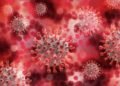










A new study has found that people who have had COVID-19 may face a higher risk of developing six allergic conditions, including asthma, food allergy and skin allergies. The findings suggest that some people could experience new allergic health problems even after recovering from the infection.
Researchers carried out a retrospective cohort study involving children and adults aged 1 to 64 years to examine whether COVID-19 was linked to newly diagnosed allergic diseases. The study followed participants for 18 months and compared people who had been infected with those who had not.
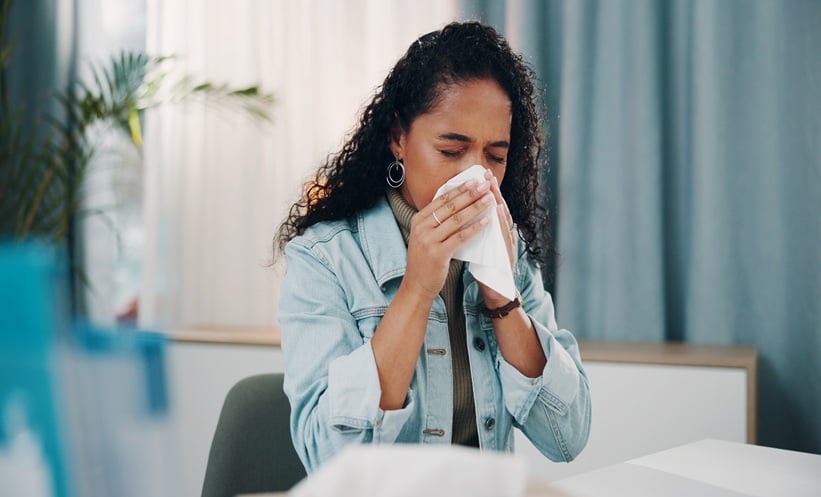
The research looked at six conditions: atopic dermatitis, asthma, food allergy, rhinoconjunctivitis, medication allergy and urticaria. Researchers used statistical matching methods to make the two groups more comparable and calculated the risk of developing each condition during the follow-up period.
The study found that COVID-19 infection was associated with a significantly higher risk of all six allergic conditions across the overall study population. This suggests that the possible effects were not limited to respiratory problems but also included skin, food and medication-related allergies.
The results were different among certain groups. Among children, COVID-19 was linked to five of the six conditions, with food allergy being the exception. Among active-duty service members, significant associations were found mainly for asthma and rhinoconjunctivitis.
Researchers also examined socioeconomic circumstances using sponsor rank as a proxy. They found that a higher sponsor rank was linked to a slightly lower risk of developing asthma. However, this measure was only an indirect indicator of socioeconomic status.
The researchers said the findings highlight a possible public health burden after COVID-19 and suggest that patients may benefit from monitoring for new allergic symptoms after infection. The study also points to a possible connection between COVID-19 and type 2 inflammation.
However, experts caution that the study was observational and retrospective. The findings show an association, not proof that COVID-19 directly causes allergic diseases. Further research will be needed to understand the biological mechanisms behind the link.
For more health-related news