


















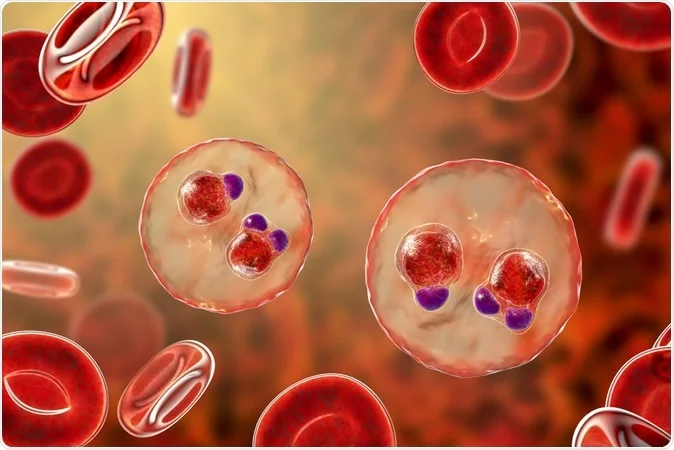
Indian researchers have uncovered how Toxoplasma gondii, a widespread parasite, manipulates the body’s immune system to support its survival and spread. The study, published in Cell Death & Disease identifies a cellular protein called beta-catenin as a key factor in the infection and highlights an experimental drug as a possible treatment approach.
The research was conducted by scientists from the National Institute of Immunology, CSIR-National Chemical Laboratory, IIT Bombay, the Institute of Liver and Biliary Sciences, Visva-Bharati University and BITS Hyderabad. The team investigated how the parasite affects macrophages, immune cells that normally help protect the body against infections.

Researchers found that T. gondii activates the beta-catenin pathway inside macrophages, changing their metabolism and triggering harmful inflammation. This process damages mitochondria, the structures responsible for producing energy, and contributes to the release of mitochondrial DNA. The resulting immune response can lead to pyroptosis, a form of inflammatory cell death that helps the parasite spread.
To test a possible treatment strategy, scientists used genetically modified mice and the experimental drug XAV939, which blocks beta-catenin signalling. The researchers reported that inhibiting the pathway reduced parasite growth, protected mitochondrial function and improved survival in infected mice. However, the findings have not yet established the drug’s safety or effectiveness in human patients.
The study also offers insight into how human cells recognise the parasite. Unlike mice, humans lack certain TLR11 and TLR12 receptors involved in parasite detection. Researchers found that mitochondrial damage and leaked DNA can help trigger immune recognition through other cellular pathways.
Toxoplasma gondii commonly spreads through contaminated food, undercooked meat and other exposure routes. While many infections cause no symptoms, serious complications can occur in people with weakened immune systems and during pregnancy.
The researchers’ findings point towards host-directed therapy, which targets processes in human cells rather than the parasite itself. Further research will be needed to determine whether this approach can become a safe and effective treatment for people living with toxoplasmosis.
For more health-related news