


















Scientists are making significant progress toward developing blood tests that could detect Alzheimer’s disease years before symptoms become severe, potentially reducing dependence on expensive brain scans and invasive diagnostic procedures. Researchers believe these advances could transform how the disease is diagnosed and managed, particularly in countries like India where dementia cases are rising rapidly.
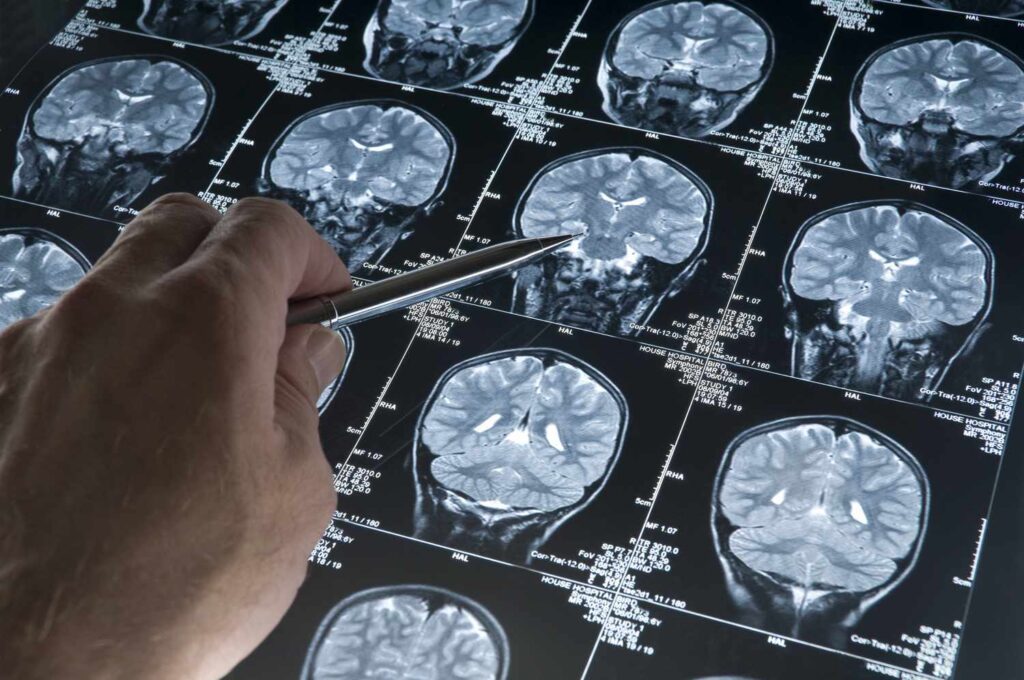
Alzheimer’s disease is the most common form of dementia and gradually affects memory, thinking ability, behaviour, and daily functioning. Traditionally, diagnosis has relied on brain imaging techniques such as PET scans, MRI scans, or spinal fluid analysis, which can be expensive, invasive, and often accessible only after symptoms become noticeable.
Recent studies, however, suggest that blood-based biomarkers may offer a simpler and earlier method of identifying the disease. Researchers have focused on proteins linked to Alzheimer’s, including amyloid beta and tau proteins, which accumulate in the brain long before memory problems become apparent.
One promising biomarker is plasma phosphorylated tau 217, commonly known as pTau217. According to studies published in journals such as Nature Medicine and Nature Communications, elevated levels of this protein in blood samples may predict the progression of Alzheimer’s disease years before visible brain deterioration appears on PET scans.
Another study published in Nature Aging found that structural changes in certain blood plasma proteins could reflect the earliest biological signs of Alzheimer’s. Researchers analysed blood samples from more than 500 individuals and identified alterations in proteins associated with immune signalling, fat transport, and protein folding. These structural changes helped distinguish healthy individuals from patients with mild cognitive impairment and Alzheimer’s disease.
In India, researchers at the All India Institute of Medical Sciences (AIIMS), Delhi, have also developed a blood marker test that may identify Alzheimer’s risk 10 to 15 years before the disease becomes fully developed. The test analyses six blood markers associated with amyloid beta proteins, tau proteins, inflammation, and neuronal damage. Scientists believe early detection could allow doctors to slow disease progression through medication, lifestyle changes, and cognitive support.
Healthcare institutions in India are now beginning to adopt blood-based Alzheimer’s diagnostics. Mahajan Imaging & Labs recently introduced an AI-integrated blood biomarker test combined with PET and MRI imaging support. The company stated that the test can detect Alzheimer’s-related biological changes before major cognitive symptoms emerge, making diagnosis safer and more accessible for patients.
Medical experts say early diagnosis is becoming increasingly important because newer Alzheimer’s treatments appear to work better in the early stages of the disease. Detecting the condition before major cognitive decline allows patients and families to plan treatment, caregiving, and lifestyle adjustments more effectively.
Researchers caution, however, that blood tests are still evolving and may not yet completely replace brain scans or clinical evaluations. Larger clinical trials are needed to confirm their accuracy across diverse populations. Doctors also stress that blood biomarkers should be interpreted alongside cognitive assessments and neurological examinations.
India is expected to face a sharp rise in dementia cases due to an ageing population. Estimates suggest millions of Indians already live with dementia, and numbers could grow significantly over the next decade. Experts believe affordable blood-based screening could improve early diagnosis rates, especially in regions with limited access to advanced neurological imaging facilities.
Scientists and neurologists describe these advances as a major step toward more accessible and preventive Alzheimer’s care. While a complete cure for the disease remains unavailable, earlier diagnosis through blood testing could help patients maintain quality of life for longer and support more effective long-term care planning.