














West Bengal has emerged as a strong performer in agriculture and public health but continues to face significant challenges in environmental management and public infrastructure, according to the latest State of India’s Environment 2026: In Figures report released by the Centre for Science and Environment (CSE). The findings present a mixed picture of the state’s development trajectory, highlighting notable achievements in some sectors while drawing attention to persistent shortcomings in others.
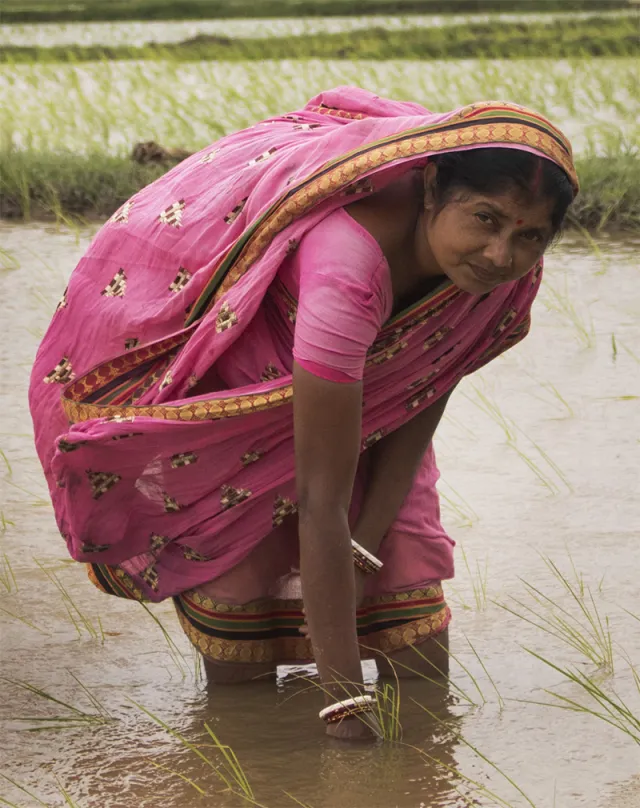
The report evaluated all states and Union Territories across four key themes—Environment, Agriculture and Land, Public Health, and Public Infrastructure and Human Development—using official government data. West Bengal secured the eighth position in the Agriculture and Land category with a score of 54.11 out of 100 and ranked ninth in Public Health with a score of 61.15. These rankings reflect the state’s relatively strong performance in agricultural productivity, rural development initiatives, and healthcare outreach programmes.
The report noted that Bengal’s extensive rural network and public health infrastructure have enabled it to perform better than many larger states. Continued investments in healthcare services, vaccination programmes, and community health initiatives have contributed to improved health outcomes, helping the state secure a place among the better-performing regions in the country. Similarly, the agricultural sector has benefited from sustained focus on land use and farming practices, supporting rural livelihoods and food security.
However, these achievements are overshadowed by the state’s weak performance in environmental sustainability. West Bengal ranked 24th in the Environment category with a score of 47.07, placing it among the lowest-performing states in the country. The report highlighted several environmental concerns, including inadequate municipal solid waste management systems, limited sewage treatment capacity, and growing pollution levels in rivers and urban centres. These challenges have negatively impacted the state’s overall environmental performance despite progress in other areas.
Researchers associated with the study pointed out that rapid urbanisation and industrial expansion have increased pressure on environmental resources. Waste disposal issues, untreated sewage, and pollution in critical river stretches continue to pose significant risks to public health and ecological sustainability. Experts warned that without substantial improvements in waste management infrastructure and environmental governance, the state’s long-term development gains could come under threat.
West Bengal also performed poorly in the Public Infrastructure and Human Development category, ranking 22nd with a score of 50.47. The report observed that shortcomings in housing, road connectivity, power distribution, and other essential infrastructure services continue to hinder inclusive growth and social equity. These gaps are particularly significant in a populous state where infrastructure development plays a crucial role in supporting economic opportunities and improving quality of life.
The findings align with broader national trends identified in the report. According to CSE, India’s five most populous states, including West Bengal, have generally underperformed across several development indicators, highlighting the challenges of balancing rapid population growth with sustainable development. The report stressed that improvements in environmental management and public infrastructure are essential for achieving the United Nations Sustainable Development Goals and ensuring long-term progress.
Experts associated with the study emphasized that West Bengal’s strengths in health and agriculture provide a solid foundation for future growth. However, they cautioned that sustained progress will depend on stronger environmental policies, better urban planning, and increased investment in infrastructure. Addressing these challenges, they noted, will be critical to ensuring that the state’s development remains balanced, sustainable, and inclusive in the years ahead.