



















A new study has raised hopes for a simpler and less invasive way to diagnose endometriosis, a painful condition that affects millions of women worldwide. Researchers have found that menstrual blood may contain biological markers capable of identifying the disease, potentially reducing the need for laparoscopic surgery, which is currently considered the standard method for diagnosis.
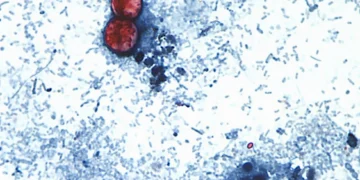
The research, published in Nature Communications Medicine, focused on analysing stem cells collected from menstrual blood samples. Scientists discovered distinct DNA methylation patterns in women suffering from endometriosis compared to those without the condition. DNA methylation refers to chemical changes that influence how genes function without altering the genetic code itself. According to researchers, these patterns may serve as reliable indicators of the disease.
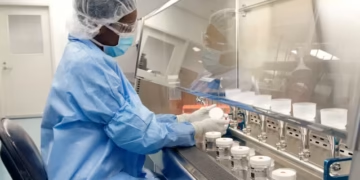
The study was conducted by researchers at French biotech company Endogene.bio. The team examined menstrual blood samples from women diagnosed with endometriosis and healthy participants. They isolated endometrial mesenchymal stem cells, which help repair the uterine lining during menstrual cycles, and analysed genome-wide methylation differences. More than 400 genomic regions showed significant variations linked to inflammation, abnormal tissue growth, and other disease-related processes.
Researchers also trained machine learning models using these biological signatures to determine whether the disease could be predicted accurately. The results suggested that such non-invasive tests may eventually support earlier and faster diagnosis of endometriosis, particularly in cases that are difficult to detect through conventional imaging methods.
Endometriosis occurs when tissue similar to the lining of the uterus grows outside the uterus, commonly affecting the ovaries, fallopian tubes, and pelvic tissues. The condition can cause severe menstrual pain, chronic pelvic discomfort, fertility issues, painful bowel movements, and pain during intercourse. Despite affecting nearly 190 million women globally, diagnosis often takes several years because symptoms vary widely and are frequently mistaken for routine menstrual pain.
At present, laparoscopic surgery remains the gold standard for confirming endometriosis. While ultrasound scans and MRI imaging can detect some forms of the disease, superficial lesions are often too small to identify through routine imaging. This has contributed to delays in diagnosis, which can range from five to 11 years in many patients.
Medical experts welcomed the findings but cautioned that larger studies are needed before menstrual blood testing can become a clinical diagnostic tool. Researchers noted that the current study involved a relatively small sample size and would require validation across more diverse populations. Similar studies are also exploring blood-based biomarkers, saliva analysis, and advanced imaging techniques for non-invasive detection of endometriosis.
Scientists believe that developing reliable non-invasive diagnostic methods could significantly improve patient outcomes by enabling earlier treatment and reducing years of untreated pain. Online patient communities and support groups have also expressed optimism about menstrual blood-based testing, with many women describing it as a potentially life-changing advancement for those struggling to obtain timely diagnoses.