




















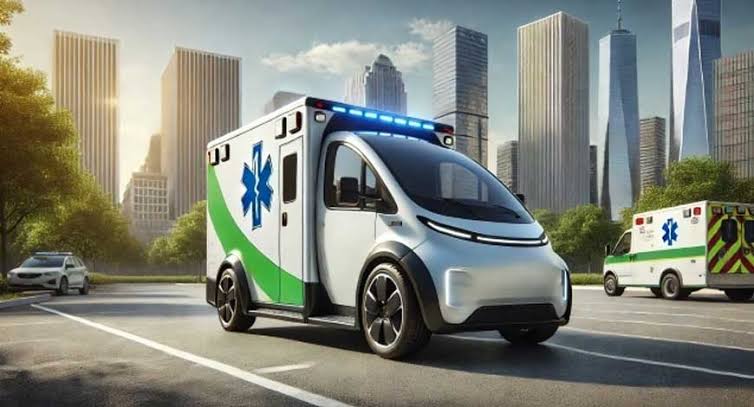
The Union Government is preparing a major overhaul of India’s National Health Mission (NHM) ambulance network with a proposed ₹500-crore investment to introduce electric ambulances and modernise emergency medical transport services across the country. The initiative is aimed at improving patient care, reducing operational costs, and supporting India’s transition towards sustainable healthcare infrastructure.
The proposed revamp is expected to transform the existing National Ambulance Service by replacing ageing vehicles with a new fleet of electric ambulances equipped with advanced life-support systems and digital technologies. The move aligns with the government’s twin objectives of strengthening emergency healthcare delivery while promoting clean mobility in public services.
Officials believe that many ambulances currently operating under the NHM have exceeded their recommended service life, affecting reliability and increasing maintenance costs. The planned replacement programme seeks to ensure that patients, particularly in rural and underserved regions, have access to safer, faster, and more dependable emergency transport. Modern electric ambulances are also expected to reduce fuel expenditure and vehicle emissions, making the system more environmentally sustainable.
The proposed investment will support the procurement of electric ambulances equipped with improved patient monitoring systems, advanced communication devices, GPS-enabled tracking, and enhanced life-saving equipment. These upgrades are expected to enable quicker emergency response, better coordination between healthcare facilities, and more efficient patient transfers.
The modernisation initiative forms part of a broader effort to strengthen India’s emergency medical services under the National Health Mission. The ambulance network plays a crucial role in transporting pregnant women, newborns, accident victims, and critically ill patients to healthcare facilities through government-supported emergency transport services. By upgrading the fleet and integrating digital technologies, authorities aim to improve response times and enhance the quality of pre-hospital care.
The shift towards electric ambulances also reflects India’s growing focus on sustainable public infrastructure. Electric vehicles offer lower operating and maintenance costs compared to conventional fuel-powered ambulances while contributing to reduced air pollution and lower carbon emissions. As healthcare systems increasingly adopt environmentally responsible practices, the introduction of electric emergency vehicles represents an important step towards greener public health services.
In addition to fleet replacement, the overhaul is expected to include improvements in fleet management, vehicle tracking, maintenance systems, and operational monitoring. Digital integration will enable health authorities to monitor ambulance availability in real time, optimise route planning, and improve coordination between emergency call centres and hospitals. Such measures are likely to enhance service efficiency while ensuring better utilisation of public resources.
Healthcare experts have welcomed the proposed reforms, noting that a modern ambulance network is essential for improving emergency care outcomes. Timely access to medical transport often determines survival in trauma cases, cardiac emergencies, maternal health complications, and other critical situations. Upgraded vehicles equipped with advanced medical equipment can significantly improve the quality of care delivered before patients reach hospitals.
The proposed ₹500-crore programme also complements India’s broader efforts to strengthen healthcare infrastructure under the National Health Mission. Alongside investments in hospitals, primary healthcare centres, and digital health initiatives, improving emergency medical transport remains a critical component of building a resilient public healthcare system.
If implemented as planned, the initiative is expected to establish a more efficient, technology-enabled, and environmentally sustainable ambulance network capable of meeting India’s growing healthcare needs. The planned introduction of electric ambulances could also serve as a model for future public-sector mobility projects, demonstrating how healthcare delivery and clean transportation can advance together.